Coco Fiber: The Resilient Backbone of Tropical Agriculture in an Uncertain Climate
As climate unpredictability and market instability challenge the global agricultural landscape, tropical regions are quietly driving a revolution powered not by advanced machines or genetic breakthroughs, but by the simple coconut husk.
From my recent fieldwork and ongoing research, it has become increasingly evident that coco fiber, also known as coir, is emerging as a resilient economic pillar for smallholder farmers.
Rediscovering Value in Agricultural Waste
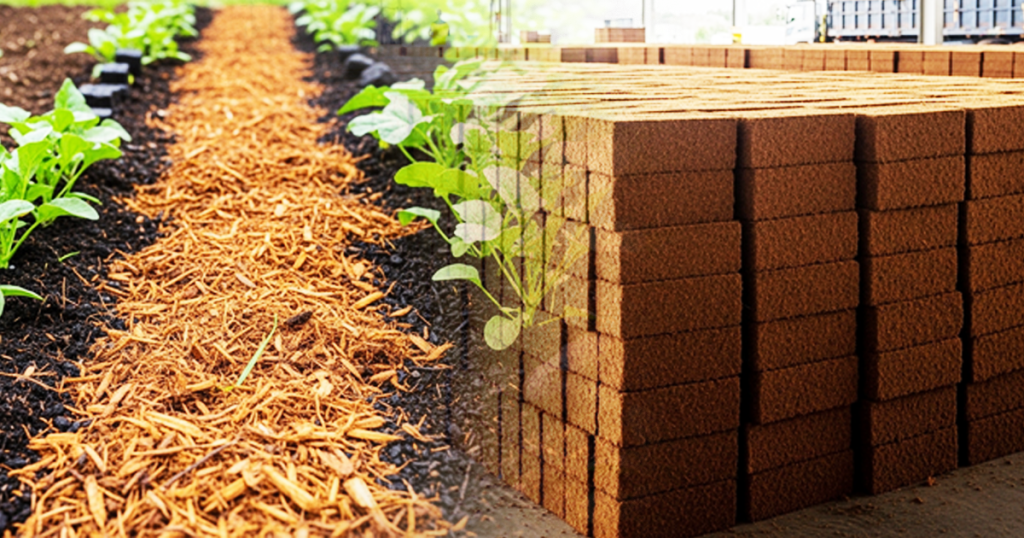
For decades, coconut husks were treated as mere by-products burned, dumped, or left to decay. However, the fibrous material within these husks, long overlooked, is now finding renewed purpose. Farmers in countries like Indonesia, India, Sri Lanka, and the Philippines are beginning to harness coco fiber for a range of industries from horticulture and erosion control to automotive padding and eco-friendly textiles.
This transformation isn’t just a story of waste-to-wealth. It’s a case study in economic adaptation. As traditional crops suffer due to fluctuating weather and unstable commodity prices, coco fiber offers a more reliable income stream, especially for regions where coconut palms are already a staple.
A Sustainable Material with Global Demand
Coco fiber is biodegradable, durable, and abundant. Its tensile strength and resistance to saltwater make it ideal for eco-conscious industries. Globally, the demand for sustainable and renewable materials is increasing, and coco fiber fits well into this green narrative.
According to recent trade data, exports of coir products have surged in the past five years, particularly in Europe and North America. Buyers are seeking coir mats, ropes, and geo-textiles as sustainable alternatives to plastic-based products. This trend is significantly benefiting rural producers who now find themselves part of a lucrative value chain.
In my interviews with farmer cooperatives in East Java, Indonesia, I observed how community-based coco fiber processing units are empowering women and young people demographics often left behind in agricultural economies. These micro-enterprises are not only promoting financial inclusion but also strengthening social cohesion in rural areas.
Challenges and Opportunities Ahead
Despite its promise, the coco fiber industry still faces key challenges. Infrastructure limitations, lack of machinery, and inconsistent fiber quality remain barriers for small producers. Many farmers still extract fiber manually a labor-intensive process that yields low output. However, government initiatives and non-profit interventions are beginning to close this gap by introducing affordable decorticating machines and providing quality control training.
Another challenge lies in market access. Farmers often lack direct connections with international buyers and rely on middlemen who take a significant cut. Building farmer-owned cooperatives and digital marketplaces could revolutionize the sector, ensuring higher profit margins and better negotiation power.
The Role of Research and Policy
As a researcher specializing in cocopeat and coco fiber, I believe policy intervention is crucial for the sector’s long-term viability. Governments must recognize coco fiber as more than a niche product. Incentivizing local manufacturing, providing subsidies for machinery, and facilitating export procedures can amplify the economic benefits.
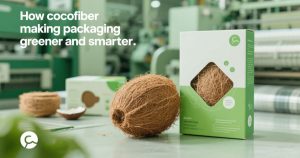
Additionally, interdisciplinary research can further unlock the potential of coco fiber. For instance, integrating coir with mycelium or bio-resins could lead to innovative biodegradable composites for the construction and packaging industries.
A Future Rooted in Resilience
At its core, the rise of coco fiber is a narrative of resilience of farmers reclaiming agency in the face of economic volatility. It is about finding opportunity in what was once discarded. As global attention shifts toward sustainable practices and circular economies, the humble coconut husk may well be the linchpin of a new, greener rural economy.
If nurtured through thoughtful policy, strategic investment, and continued research, coco fiber could redefine agricultural livelihoods across the tropics offering not just income, but hope.