The Silent Shift in Gardening Culture
As a researcher in sustainable growing media, I’ve observed a steady transformation in how gardeners cultivate their plants. Soil, once deemed irreplaceable, is gradually being sidelined by an unassuming contender cocopeat blocks.
Extracted from the husk of coconuts, cocopeat (also known as coir pith) has gained prominence not merely as a soil amendment but as a complete replacement in many gardening scenarios.
The question remains why are gardeners globally transitioning from traditional soil to cocopeat blocks? The answer lies in a combination of environmental urgency, performance efficiency, and the growing interest in sustainable agriculture.
What Is Cocopeat and How Is It Produced?
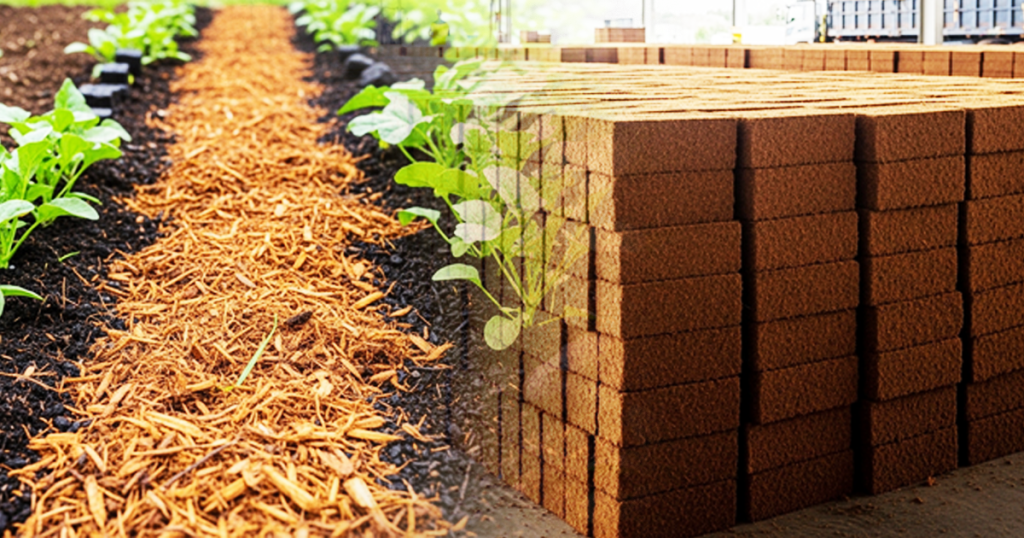
Cocopeat is a natural fiber made from coconut husks, a by-product of the coconut industry. After the husk is processed, the remaining dust-like substance is compressed into dense, dry blocks. When water is added, these blocks expand to many times their original size, forming a soft, porous growing medium.
The process is relatively low in carbon emissions compared to soil extraction, making cocopeat a renewable and environmentally friendly option. Moreover, countries like India, Sri Lanka, and the Philippines have scaled up production, meeting the rising global demand with efficiency and quality control.
Superior Water Retention and Aeration
One of cocopeat’s greatest advantages is its exceptional water retention capacity. Unlike regular soil, which can dry out quickly or become waterlogged, cocopeat retains moisture evenly while allowing adequate aeration. This quality is vital for seed germination, root development, and nutrient uptake.
In hydroponic and greenhouse farming, cocopeat is a game-changer. It provides a stable environment where plants can thrive, reducing the frequency of watering and lowering the risk of root rot. For urban gardeners working in limited spaces, its lightweight nature and cleanliness add to its appeal.
Environmental Considerations and Soil Health
Traditional topsoil takes hundreds of years to form but can be depleted within a few seasons of intensive farming. By switching to cocopeat, gardeners contribute to soil conservation and reduce the exploitation of non-renewable resources.
Furthermore, cocopeat is biodegradable and pH-neutral. It doesn’t harbor pathogens or weed seeds, making it a safer option for organic cultivation. Its slow decomposition rate allows it to be reused for multiple planting cycles before composting.
Economic Viability for Home Gardeners and Commercial Farmers
While the initial cost of cocopeat blocks may seem higher than purchasing regular potting soil, the long-term savings are significant. Its reusability, reduced need for fertilizers, and minimized pest issues make it a cost-effective solution.
Commercial greenhouse operators especially benefit from its consistency and sterility, leading to improved crop yields and reduced labor. For home gardeners, cocopeat blocks offer convenience they’re easy to store, handle, and transport.
Challenges and Ongoing Research
Despite its many advantages, cocopeat is not without its limitations. It often requires buffering to remove excess sodium and potassium salts, which can inhibit plant growth. Ongoing research, including my own studies, focuses on improving pretreatment methods and developing hybrid growing media that combine cocopeat with other organic materials for enhanced performance.
Another concern is the sustainability of coconut harvesting. While cocopeat itself is a by-product, ensuring ethical and eco-friendly sourcing is essential. Certifications and supply chain transparency are becoming increasingly important to environmentally conscious consumers.
The Future of Gardening Is Sustainable
The gardening world is evolving. With climate change pushing agriculture towards more resilient and sustainable practices, cocopeat blocks offer a viable path forward. They empower individuals and communities to grow food with minimal environmental impact while preserving the earth’s natural resources.
As a researcher, I see cocopeat not as a passing trend but as a foundational shift in how we approach plant cultivation. Its rise reflects a broader movement toward innovation, responsibility, and a deep respect for the ecosystems that sustain us.