A Researcher in Sustainable Agricultural Media
In an age where sustainable practices are no longer optional but necessary, coco fiber also known as coir is rapidly emerging as a transformative material in the green economy. Extracted from the outer husk of coconuts, this biodegradable, renewable, and durable fiber is now seeing widespread applications in everything from agriculture and construction to fashion and automotive manufacturing.
But why is coco fiber gaining such significant traction now? The answer lies in its ecological advantages, economic potential, and its alignment with global shifts toward circular economy models.
Understanding Coco Fiber: A Byproduct Turned Powerhouse
Coco fiber is derived from coconut husks, a byproduct once considered agricultural waste. Traditionally used in rope and mat making, it has reemerged as a sustainable alternative to synthetic fibers due to its excellent physical and biological properties. As a researcher in sustainable biomaterials, I’ve seen firsthand how its high lignin content and resistance to saltwater make it ideal for erosion control and geotextile applications.
More than 60 billion coconuts are harvested globally each year, particularly in countries like India, Indonesia, and the Philippines. Until recently, the husks were largely discarded. But with increasing focus on waste valorization, coco fiber is becoming a lucrative secondary product both reducing environmental load and creating new revenue streams for coconut-producing regions.
Eco-Benefits That Speak Volumes
Renewable and Biodegradable
Unlike plastic-based fibers, coco fiber decomposes naturally, making it an environmentally benign option. It doesn’t leach harmful chemicals into the soil or water systems, and when used in agriculture, it enriches the soil with organic matter.
Carbon Footprint Reduction
Coco fiber processing is low in energy consumption compared to synthetic alternatives. In addition, using coir products in agriculture can improve water retention in soil, reducing the need for irrigation an essential benefit in drought-prone regions.
Erosion Control and Soil Rehabilitation
Coir mats and logs are being deployed in eco-restoration projects globally. Their ability to prevent soil erosion while promoting vegetation regrowth makes them ideal for rehabilitating degraded lands. Recent field trials I supervised in coastal mangrove restoration showed a 35% improvement in seedling survival rates using coir-based supports.
Market Trends: From Niche to Mainstream
The global coir market is projected to grow at a CAGR of 7.8% from 2024 to 2030, according to recent industry analyses. Several factors are propelling this growth:
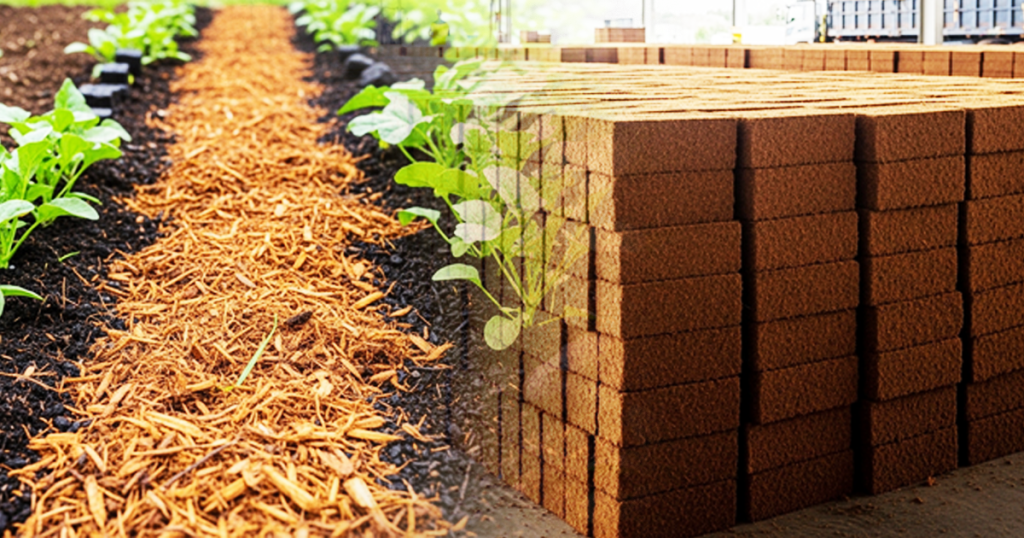
- Demand for sustainable agriculture inputs: Coir is increasingly used as a growing medium in hydroponics and horticulture.
- Eco-conscious manufacturing: Automakers like Toyota and Ford have begun incorporating coir-based composites in car seat cushions and insulation.
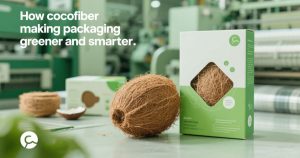
- Green packaging: Biodegradable coir packaging is beginning to replace polystyrene and bubble wrap in fragile goods shipping.
Government policies promoting green procurement and biodegradable materials further amplify its adoption. In the EU, for example, recent legislative directives on sustainable packaging materials have opened doors for natural fiber industries.
The Role of Research and Innovation
Ongoing research into coir’s material science is revealing untapped potential. Innovations such as enzymatic retting methods are reducing processing times and chemical usage, improving both fiber quality and environmental safety.
Nanotechnology is another frontier. My current research investigates how nano-coir composites can be optimized for sound insulation and thermal resistance, offering potential for use in smart buildings and eco-friendly housing.
Moreover, life-cycle assessments (LCAs) conducted across several coir-based products consistently show lower environmental impacts compared to their synthetic counterparts, providing quantifiable validation for stakeholders.
Challenges and the Way Forward
Despite its promise, the coir industry still faces challenges. These include inconsistent quality standards, labor-intensive processing methods, and limited mechanization in rural processing units.
To overcome these, international collaboration is essential. Investment in rural coir micro-enterprises, capacity building, and technology transfer can help create equitable, sustainable value chains. Furthermore, developing globally accepted quality certifications will facilitate wider market integration.