Coco Coir: The Sustainable Byproduct Powering Clean Technology
As the world accelerates its transition toward sustainable solutions, one natural byproduct is quietly taking center stage coco coir, also known as cocopeat. Clean technology industries are increasingly using the renewable fibers from coconut husks as a sustainable resource.
As a researcher deeply immersed in coco coir’s properties and applications, I am witnessing firsthand its transformative potential in sectors ranging from agriculture to wastewater treatment and even bioplastics.
Rediscovering a Byproduct with Purpose
Farmers and industries have long treated coconut husks as agricultural waste, often discarding or burning them, which harms the environment. However, through modern processing techniques, the coir fiber and dust within these husks are now being repurposed into materials that are biodegradable, durable, and eco-efficient.
In essence, coco coir is a dual-benefit material. It not only reduces agricultural waste but also serves as a versatile medium that supports cleaner production systems. With global interest in carbon-negative technologies on the rise, the rediscovery of this humble fiber is no accident it’s a necessity.
Applications Across Clean Technology Sectors
Sustainable Agriculture and Horticulture
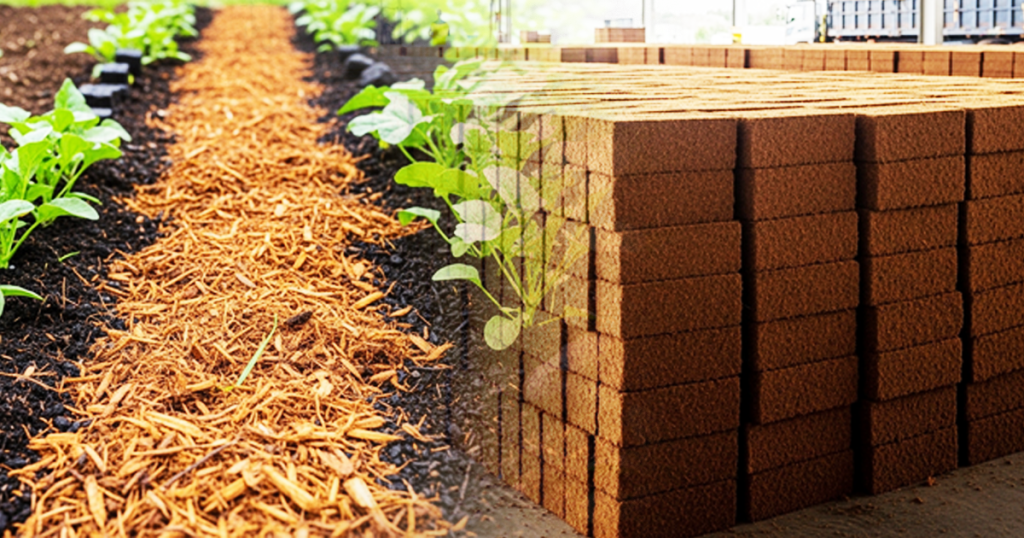
Coco coir has become a staple in soilless cultivation and hydroponic systems. Its water retention and aeration properties promote plant health while reducing irrigation demands by up to 30%. Compared to peat moss its primary competitor coco coir is more sustainable, renewably sourced, and offers a lower carbon footprint.
In urban agriculture and controlled-environment farming, coco coir acts as a clean substrate, free of pathogens, making it ideal for food safety-conscious growers.
Biofiltration and Wastewater Treatment
Recent studies have shown that coco coir filters can effectively remove heavy metals and organic pollutants from wastewater. Its high lignin and cellulose content make it a natural absorbent, with properties similar to activated carbon but at a fraction of the cost and environmental impact.
Pilot projects in Southeast Asia and Latin America have integrated coco coir biofilters into decentralized wastewater systems, demonstrating remarkable efficiency in reducing biochemical oxygen demand (BOD) and total suspended solids (TSS).
Biocomposites and Green Materials
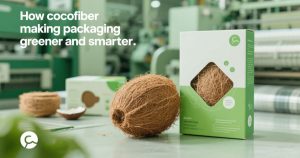
As industries seek alternatives to petroleum-based plastics, coco coir has emerged as a viable biocomposite filler when blended with polymers like PLA (polylactic acid). Researchers have developed a lightweight, biodegradable material that can be used in packaging, automotive components, and consumer products.
Several automotive companies are already exploring the use of coconut fiber panels in vehicle interiors, citing their strength-to-weight ratio, thermal stability, and sustainable sourcing.
Environmental Impact and Circular Economy Integration
One of the most promising aspects of coco coir is its compatibility with circular economy models. The material is entirely biodegradable, and when used in agriculture, it eventually reintegrates into the soil as organic matter. Even in industrial applications, spent coir can be repurposed as mulch or compost.
Moreover, coconut-producing nations many of which are in the Global South stand to benefit economically. By valorizing what was once discarded, these regions can participate more actively in green supply chains, creating jobs while preserving natural ecosystems.
The Research Frontier
Despite its many applications, coco coir is still underutilized in mainstream clean technology. Ongoing research in microbial inoculation, fiber treatment, and polymer compatibility is essential to unlocking its full potential. As a research community, we must push for standardized processing methods and greater cross-sectoral collaboration.
International cooperation, coupled with investment in scalable processing infrastructure, will be vital. If adopted strategically, coco coir could become a cornerstone material in sustainable design and technology development for the next decade.
A Future Rooted in Fiber
The future of clean technology is not solely in advanced metals or rare earth minerals it may well lie in the fibers of a coconut husk. As an agricultural byproduct with low environmental impact and broad applicability, coco coir offers an elegant solution to several global challenges.
From regenerative agriculture to eco-friendly manufacturing, this natural fiber is poised to redefine what’s possible in sustainable innovation. In a world searching for answers, coco coir quietly provides one rooted not in complexity, but in nature.