A Researcher’s Perspective on the Future of Cocopeat
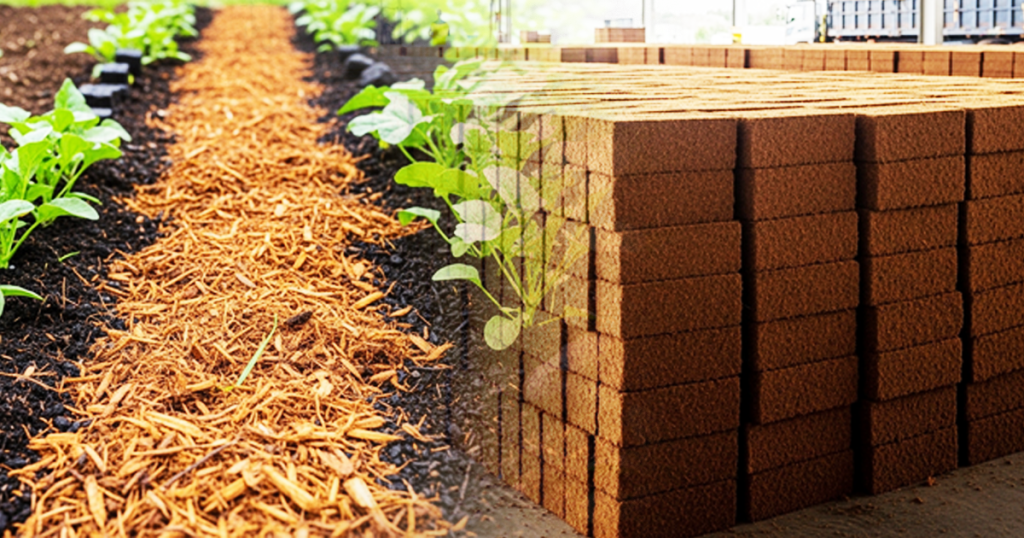
In recent years, cocopeat also known as coir pith has gained significant traction in global horticulture and sustainable agriculture. Derived from the fibrous husk of coconuts, cocopeat is lauded for its high water retention, aeration properties, and biodegradability.
As a researcher deeply involved in this field, I observe not only its growing market demand but also the intricate web of challenges that must be addressed to ensure the industry’s long-term viability.
The cocopeat industry sits at a unique intersection of environmental sustainability and economic potential.
However, as the demand for eco-friendly growing mediums increases especially in Europe, North America, and parts of Asia there are emerging issues that stakeholders must confront.
From inconsistent quality control to logistic inefficiencies, these hurdles threaten to stall progress if left unresolved.
The Booming Demand and Production Complexities
Global demand for cocopeat is growing at an annual rate of over 10%, fueled by organic farming, hydroponics, and greenhouse cultivation. Countries like the Netherlands, Japan, and Canada are major importers, relying on tropical producers such as India, Sri Lanka, Indonesia, and the Philippines.
Yet this increasing demand places pressure on the supply chain. Producers often face inconsistent coconut harvests due to climate change, which directly affects raw material availability.
Furthermore, cocopeat requires substantial processing drying, sieving, and buffering before it meets international standards. Many small-scale producers lack access to the technology and expertise needed for standardized processing, resulting in variable product quality.
The discrepancy between high-end and low-end cocopeat also presents issues. Inconsistent pH levels, high salt content, and inadequate moisture control often lead to product rejections in export markets, a significant setback for producers striving to meet growing global standards.
Environmental Concerns and Waste Management
While cocopeat is often marketed as an eco-friendly alternative to peat moss, the industry is not free from environmental scrutiny. The processing of cocopeat generates a considerable volume of wastewater containing tannins and lignin, substances that can pollute local water bodies if improperly managed.
Additionally, large-scale drying operations are frequently powered by fossil fuels, contributing to carbon emissions. As a researcher, I advocate for the development and adoption of cleaner technologies, such as solar drying and biofiltration systems for effluents, which could dramatically improve the environmental footprint of cocopeat production.
Proper waste management protocols must also be standardized across production zones. This includes responsible disposal of coconut husk residues and reuse of by-products to promote a circular economy within the coconut processing sector.
Opportunities in Innovation and Policy Support
Despite its challenges, the cocopeat industry holds considerable promise. Advances in microbial treatment and buffering technologies are now enabling producers to refine cocopeat quality at scale.
Additionally, digitization in moisture control and AI-based grading systems are gradually entering the sector, offering consistent and export-compliant products. Governments and research institutions must collaborate to build knowledge-sharing platforms and training programs, particularly for small-scale manufacturers.
In countries like India and Indonesia, government-supported cooperatives have already shown success in raising processing standards and expanding market access for rural producers.
There is also a growing opportunity in premium product differentiation. Buffered, pre-washed cocopeat tailored for specific crops like strawberries, tomatoes, or orchids can command higher prices and reduce environmental risk for high-tech growers.
Strengthening the Future of Cocopeat
To secure the future of the cocopeat industry, multi-stakeholder collaboration is essential. Researchers, industry players, policymakers, and environmental groups must jointly pursue solutions to the pressing issues of quality, sustainability, and economic inclusivity.
The path ahead lies not only in boosting output but also in ensuring that production is both eco-conscious and equitable. Investments in infrastructure, sustainable practices, and global trade harmonization will determine whether cocopeat can truly fulfill its potential as a sustainable growing medium for the 21st century.