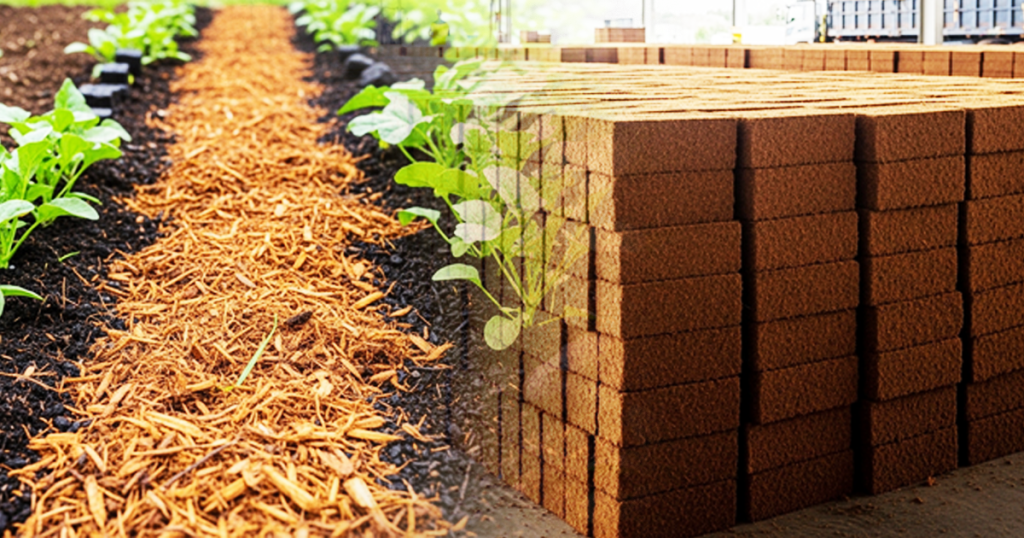
What is Cocopeat Powder?
As a researcher specializing in sustainable agriculture and organic growth mediums, I’ve seen the transformative effects of cocopeat powder on plant health and crop yield. Derived from the husk of coconuts, cocopeat is a renewable resource that serves as an excellent soil amendment and hydroponic growing medium.
In this article, I’ll explain how to properly use cocopeat powder for optimal plant performance, backed by scientific observations and field-tested practices.
Cocopeat powder, also known as coir pith, is a by-product of coconut fiber extraction. It’s lightweight, porous, and has excellent water retention properties. Its pH level typically ranges between 5.5 and 6.5, making it ideal for most plants. Cocopeat is free from harmful pathogens and offers a sterile environment for seeds and roots.
Key Benefits of Using Cocopeat
- Excellent Water Retention: Retains moisture up to 8–10 times its weight.
- Aeration and Drainage: Prevents root rot by balancing moisture and airflow.
- Biodegradable and Renewable: An eco-friendly alternative to peat moss.
- Neutral to Slightly Acidic pH: Suitable for a wide range of plants.
Preparing Cocopeat Powder for Use
Before using cocopeat, it must be hydrated and buffered to remove excess salts. Here’s a step-by-step method:
Step 1: Hydration
- Place dry cocopeat powder in a large container or bucket.
- Add warm water in a 1:5 ratio (1 part cocopeat to 5 parts water).
- Let it sit for 20–30 minutes until it expands and becomes fluffy.
Step 2: Draining Excess Water
After the cocopeat has fully expanded, use a sieve or mesh bag to remove excess water. This ensures the medium is moist but not soggy.
Step 3: Buffering (Optional but Recommended)
To reduce naturally occurring salts (mainly potassium and sodium), soak the hydrated cocopeat in a calcium nitrate solution (1g/L) for 8–12 hours. Rinse thoroughly afterward.
Application in Various Growing Systems
Seed Starting
Cocopeat is ideal for germinating seeds due to its fine texture and ability to hold moisture without waterlogging. Fill seed trays with moist cocopeat and insert seeds according to planting depth guidelines. Keep the medium consistently damp but not wet.
Potting Mix
For potted plants, mix cocopeat with compost and perlite in a 40:40:20 ratio. This combination enhances nutrient availability, drainage, and aeration.
Hydroponics
In hydroponic systems, use cocopeat in grow bags or net pots. Ensure proper nutrient supplementation since cocopeat itself is inert and doesn’t provide nutrients.
Outdoor Gardening
In garden beds, mix cocopeat into the top 4–6 inches of soil to improve structure, water retention, and microbial activity. It works particularly well in sandy or clay-heavy soils.
Storage and Reuse
Cocopeat can be reused for up to 4 years if maintained correctly. After each growth cycle:
- Remove plant debris.
- Wash and re-buffer if needed.
- Allow it to dry before reuse.
Store unused cocopeat in a dry, shaded area to prevent mold or fungal growth.
Final Thoughts
Cocopeat powder is a remarkable medium that supports plant health through better moisture control, root development, and aeration. Whether you’re a backyard gardener or a commercial farmer, incorporating cocopeat can significantly enhance your growing outcomes.