The Rise of Sustainable Soil Alternatives
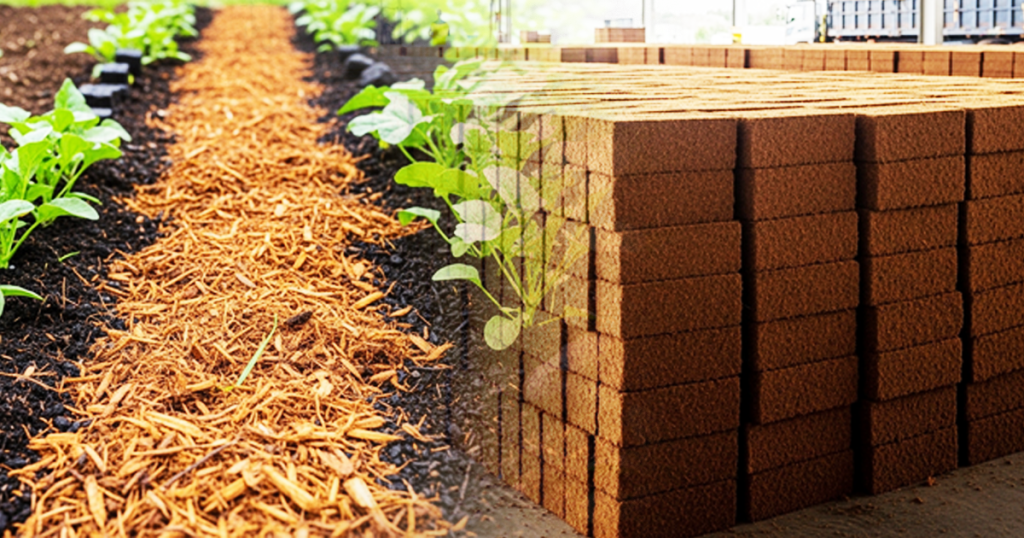
In the quest for sustainable agriculture, the soil beneath our feet is undergoing a quiet transformation. Coco peat bricks, compacted blocks made from coconut husk fibers, are at the heart of this change.
As a researcher focused on organic substrates and eco-friendly soil alternatives, I’ve seen first-hand how these seemingly simple bricks are revolutionizing both home gardening and commercial farming.
Originally viewed as agricultural waste, coco peat (also known as coir pith) has gained recognition as a viable, renewable substitute for traditional peat moss. The shift isn’t just environmentally motivated coco peat offers practical benefits that traditional soil amendments struggle to match. From water retention to improved root aeration, the humble coco peat brick is silently but significantly altering how we grow our food and ornamentals.
What Makes Coco Peat Bricks Unique?
Water Retention and Aeration Properties
One of the most striking attributes of coco peat bricks is their water retention capacity. These bricks can absorb water up to eight times their weight, releasing moisture gradually to the root system. This makes them especially useful in arid regions or for crops requiring consistent moisture.
Equally important is the material’s porosity. The fibrous texture of coco peat ensures excellent aeration, preventing common issues like root rot and compaction. Unlike clay-heavy soils, coco peat allows roots to breathe, enhancing nutrient uptake and plant vigor.
pH Balance and Nutrient Profile
Coco peat naturally maintains a pH level between 5.5 and 6.5, ideal for most horticultural applications. This means fewer amendments are needed to correct soil acidity. Moreover, it contains trace elements such as potassium and iron, though it is typically low in nitrogen and phosphorus nutrients that can be added as needed through organic or inorganic fertilization.
Environmental Impact and Sustainability
A Byproduct with Purpose
Each year, millions of coconuts are processed for oil and food, leaving behind tons of husk material. Traditionally discarded or burned, these husks are now being repurposed into coco peat, turning waste into a resource. This not only reduces landfill burden but also provides farmers in tropical regions with an additional income stream.
In contrast to peat moss which is harvested from slowly regenerating bogs coco peat is a renewable byproduct. Harvesting it does not contribute to ecosystem degradation, making it an eco-friendlier option. For environmentally conscious growers, this sustainability is more than a selling point; it’s a responsibility.
Carbon Footprint Considerations
Although shipping coco peat from producing countries like India, Sri Lanka, and the Philippines can incur carbon emissions, the bricks are compressed to reduce volume. This significantly cuts down on transportation emissions per unit. Additionally, many producers are now investing in carbon-neutral processing methods, further lowering the environmental impact.
Applications Beyond Gardening
Coco peat bricks are not limited to traditional soil applications. In hydroponics, they serve as an inert medium that holds water and nutrients efficiently. They’re also used in seedling propagation, rooftop gardens, and urban farming systems where clean, lightweight substrates are crucial.
Some researchers, myself included, are currently exploring the use of coco peat in bioremediation projects. Early trials suggest that the material can support microbial colonies capable of breaking down contaminants in polluted soil opening new frontiers for environmental restoration.
A Small Brick with a Big Future
As a researcher and witness to this silent revolution in soil science, I believe coco peat bricks represent more than just a gardening trend. They embody a shift in how we approach cultivation, waste management, and environmental stewardship.
Farmers, gardeners, and agricultural stakeholders must begin to take this innovation seriously. With the right awareness and support, coco peat bricks could become a cornerstone of sustainable agriculture in the years to come.