The Rise of Coco Bristle: A Sustainable Shift in Fashion
The fashion industry has long struggled with its environmental footprint. From textile waste to microplastics, every aspect of garment production poses ecological challenges. As a researcher specializing in cocopeat and its derivatives, I have been closely monitoring the emerging use of coco bristle.
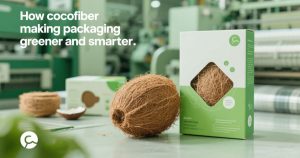
A material traditionally used in brooms and brushes now being explored for sustainable fashion applications. Coco bristle, derived from coconut husk fibers, is naturally stiff, durable, and biodegradable. Until recently, its use has been limited to industrial cleaning tools.
However, new methods in softening and treating the fiber are opening up avenues for its use in accessories and footwear. This could be a game-changer, offering the industry a renewable, plastic-free alternative with strong functional characteristics.
Coco Bristle: Composition and Eco Benefits
Coco bristles are extracted from the mesocarp layer of mature coconut husks. These fibers are lignin-rich, which makes them highly resistant to wear and microbial degradation. Unlike synthetic materials, they do not shed harmful particles or toxins when processed correctly.
From a sustainability standpoint, coco bristle is a low-impact material. Coconuts are harvested regularly in tropical countries like Indonesia, the Philippines, and India. The husks, often treated as waste, can now be repurposed instead of discarded or burned. Processing the fibers uses minimal water and chemicals, aligning with eco-certification standards.
Moreover, farmers and local processors can benefit economically from this innovation. It opens up a market for agricultural byproducts that were previously undervalued, adding a new layer of sustainability social equity to the equation.
Emerging Applications in Fashion Design
Footwear and Bag Innovation
Some fashion startups are already experimenting with coco bristle in shoe soles and handbag structures. These applications leverage the fiber’s rigidity and water resistance. By mixing softened coco bristles with organic rubber or natural binders, designers are producing soles that are both sturdy and compostable.
Biodegradable Fashion Accessories
There is also growing interest in coco bristle as a base for jewelry, watch straps, and eyeglass frames. The aesthetic is raw, earthy, and uniquely appealing to eco-conscious consumers. With appropriate dyeing techniques, it is possible to achieve rich tones without resorting to petroleum-based colorants.
Challenges in Scaling Production
Despite its promise, coco bristle still faces technical hurdles. For instance, its rigidity needs to be adjusted for certain fashion applications. This involves research into enzymatic treatment and fiber blending. Another challenge lies in consumer perception; many still associate the fiber with utilitarian products rather than luxury or wearable items.
There’s also a logistical aspect. Establishing a consistent supply chain for fashion-grade coco bristle requires collaboration between agricultural cooperatives, material scientists, and fashion brands. This is a complex but necessary step if the material is to make a real impact in global markets.
The Role of Research and Future Potential
As a material scientist, I believe further innovations will focus on hybrid composites combining coco bristle with other biodegradable elements like bamboo fibers or organic cotton. This could increase softness, flexibility, and dye absorption without compromising sustainability.
In the lab, ongoing studies are also exploring how nanotechnology might enhance the antibacterial and moisture-wicking properties of the bristle. If successful, this could position coco bristle as a viable material for even activewear a high-performance market traditionally dominated by synthetics.