The Role of Coco Bristle in Supporting Sustainable Rural Livelihoods
The global demand for sustainable materials continues to rise, driving significant interest in agricultural by products like coco bristle. In Indonesia where coconut is the third most harvested crop coco bristle, a fiber derived from coconut husks, is gaining attention as an economically viable resource.
For rural farmers and small and medium-sized enterprises (SMEs), this fibrous gold is not only a waste-reduction solution but also a gateway to new economic opportunities.
Unlocking the Potential of Agricultural Waste
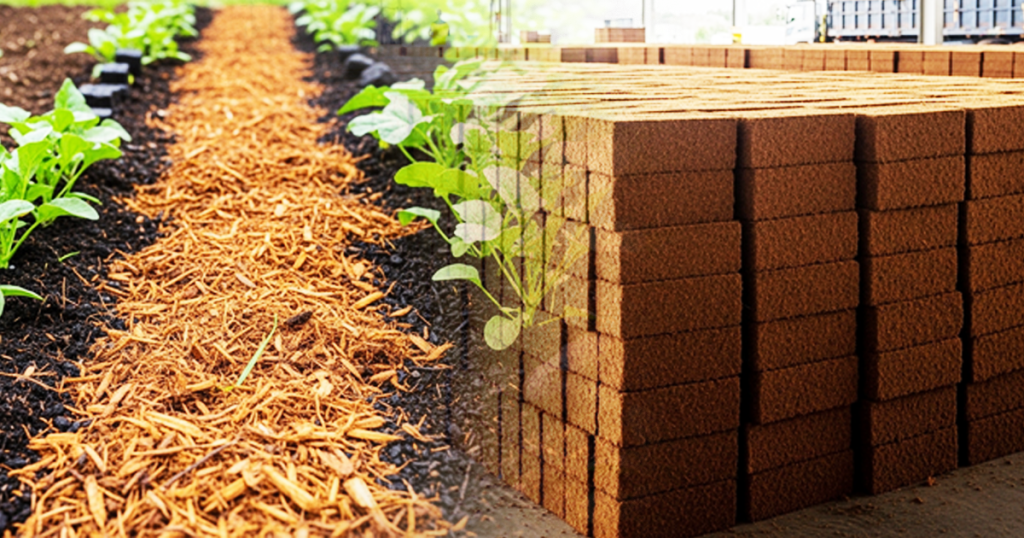
Traditionally, coconut husks were treated as agricultural waste, often burned or discarded. However, recent research and field observations show that coco bristle extracted through mechanical defibering processes holds market value in industries such as brush manufacturing, mattress stuffing, doormats, and eco-friendly packaging.
What makes this material remarkable is its resilience and biodegradability. These attributes are highly sought after by global markets that are moving away from synthetic alternatives. Farmers who previously sold only coconut meat can now capitalize on every part of the crop, maximizing yields without additional land use.
Empowering Farmers Through Value-Added Production
A New Stream of Income
Smallholder farmers in regions such as Sulawesi, Sumatra, and East Java have started integrating coco bristle extraction into their production cycles. With basic equipment and training, they can convert discarded husks into sellable fiber. A metric ton of coconut husks can yield around 100–150 kg of bristle, which sells domestically at prices ranging from IDR 4,000 to IDR 8,000 per kilogram. Export-grade bristle fetches higher prices in international markets.
This additional income plays a crucial role in stabilizing household earnings, especially during lean seasons. Moreover, it reduces dependency on volatile copra and coconut oil prices, offering more financial resilience for farming communities.
Strengthening Community-Based Cooperatives
Beyond individual income, coco bristle production encourages cooperative models. Farmer groups can pool resources to purchase shredding machines and drying facilities. These cooperatives also allow collective bargaining, helping small scale producers compete in broader markets. Some have even partnered with SMEs to ensure a consistent supply chain from raw husk to finished product.
Stimulating Local SMEs and Green Manufacturing
Supporting Circular Economies
Indonesian SMEs are becoming key players in the value chain of coco bristle. Local enterprises specializing in home goods and industrial tools have started sourcing coco bristle for broom bristles, scrub brushes, and even automotive upholstery padding.
By purchasing directly from farmer cooperatives, these SMEs not only reduce their raw material costs but also contribute to a circular economy that benefits the environment and the local workforce. Some startups have emerged specifically to brand these products for export, targeting eco-conscious consumers in Europe, the United States, and Japan.
Job Creation and Skill Development
The growth of this niche sector has resulted in more than just increased revenues. It has also created job opportunities in rural and peri urban areas particularly for women and youth. From sorting and cleaning to spinning and packaging, coco bristle requires human-intensive processes that promote inclusive employment.
Training programs, often supported by NGOs or government grants, equip workers with technical skills in fiber handling and product standardization. These initiatives not only improve product quality but also elevate Indonesia’s image as a sustainable manufacturing hub.
Policy and Investment Opportunities
Despite its potential, the coco bristle sector still faces infrastructure and knowledge gaps. Improved access to microcredit, standardized processing technologies, and clearer export regulations would significantly accelerate growth. Policymakers should consider incentivizing coco bristle production through grants and tax breaks for SMEs engaging in sustainable processing.
Investors particularly those focused on green startups should view coco bristle not merely as a raw material, but as a platform for broader rural development. With strategic support, Indonesia could position itself as a global leader in coconut-based innovation.