By a Researcher in Agricultural Biomaterials and Cocopeat Technology
In the bustling ports of Surabaya and the coconut heartlands of Sulawesi, a quiet revolution is underway. Long regarded as mere agricultural waste, the fibrous husk of the humble coconut is transforming into a globally sought-after commodity.
Coco fiber, or coir, derived from the outer shell of coconuts, is emerging as one of Indonesia’s most promising natural exports spurring economic potential and positioning the nation as a dominant player in the bio-based material economy.
As a researcher focused on cocopeat and its derivatives, I have seen firsthand the transformation of this industry. Once discarded or burned, coconut husks are now meticulously processed, engineered, and shipped worldwide, finding uses in everything from erosion control to premium mattresses.
A Waste Turned Wonder: The Science Behind Coir
Coco fiber consists primarily of lignin and cellulose, making it both durable and biodegradable an ideal alternative to synthetic fibers. The fiber is extracted from the coconut husk through a process known as retting, followed by mechanical defibering.
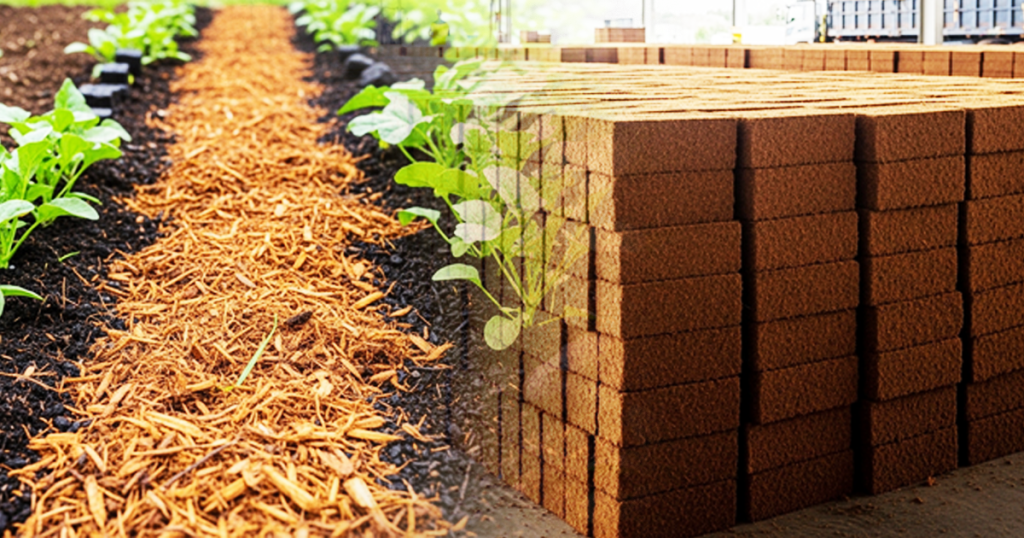
What results are two distinct co-products: long coir fibers and cocopeat (coir pith), each with high-value applications. Coir fibers are prized for their strength and resistance to saltwater making them suitable for ropes, brushes, and geotextiles.
Meanwhile, cocopeat, with its high water retention capacity and aeration properties, has become a go-to growing medium in global horticulture, rivaling peat moss in sustainability.
As global industries pivot toward eco-friendly materials, the demand for these coconut-based products is accelerating. For instance, in 2024 alone, Indonesia exported over 250,000 tons of coco fiber and related products, a 17% increase from the previous year, according to data from the Ministry of Trade.
Export Powerhouse: Indonesia Takes the Lead
Indonesia is the second-largest coconut producer in the world, after the Philippines. Yet in recent years, it has outpaced several competitors in processing and export growth, thanks in part to private sector innovation and targeted government support.
The rise of small- and medium-scale coir processing facilities in regions like North Sulawesi, Lampung, and East Java has catalyzed rural employment while increasing the nation’s export portfolio. Coir mats and erosion blankets made in Indonesia are now used for soil stabilization projects in India, the Netherlands, and the United States.
“Indonesia’s strength lies not only in raw material abundance but also in the evolution of its processing techniques,” says Dr. Rahmat Siregar, a senior materials scientist at LIPI (National Research and Innovation Agency). “What was once a byproduct is now a high-demand material across multiple sectors from automotive to agriculture.”
Sustainability and the Green Economy
Beyond its economic impact, the rise of coco fiber aligns with global climate goals. Unlike synthetic fibers derived from petrochemicals, coir is renewable, biodegradable, and has a low carbon footprint. Its production also offers a sustainable alternative to peat, which is harvested from endangered wetland ecosystems.
The circular nature of coconut-based industries where husks, shells, and water are all utilized makes them a textbook example of zero-waste manufacturing.
Some companies in Bali and West Java even integrate solar drying and water recycling into their processing chains, enhancing their eco-credentials for environmentally conscious buyers.
Challenges and the Road Ahead
Despite the optimism, challenges remain. Inconsistent quality standards, limited mechanization in rural areas, and logistical bottlenecks hamper growth. There is also a need for deeper integration between academic research and commercial practices.
As a technical writer and researcher, I believe stronger collaboration between institutions, certification bodies, and exporters will play a critical role. Investments in R&D particularly in developing new composite materials from coir could unlock even higher market value.