Harnessing Coir: A Green Revolution from Coconut Husks
In the heart of the tropics, where coconut palms thrive under the sun, an unsung hero of sustainable innovation is making its mark: coconut fiber. Also known as coir, this natural by-product of coconut husks is now at the forefront of green manufacturing.
As a researcher dedicated to studying the applications of cocopeat and coconut derivatives, I have witnessed firsthand the transformative power of this fibrous material.
From Waste to Wonder: The Rise of Coir
Historically regarded as agricultural waste, coconut husks were often discarded or burned, contributing little value to the coconut industry. However, in recent decades, a shift toward circular economies and sustainable production methods has propelled coir into a new light.
With increasing global demand for biodegradable alternatives to plastic, coir’s properties durable, absorbent, and entirely biodegradable make it a prime candidate for eco-friendly innovation.
Coir is extracted from the husk of mature coconuts and comes in two forms: brown fiber (from ripe coconuts) and white fiber (from unripe ones). While brown coir is coarser and used in brushes, ropes, and mattresses, white coir finds its application in finer products like mats and yarns.
Eco-Friendly Applications Across Industries
Coconut fiber’s versatility is driving its adoption across diverse industries:
Agriculture and Horticulture
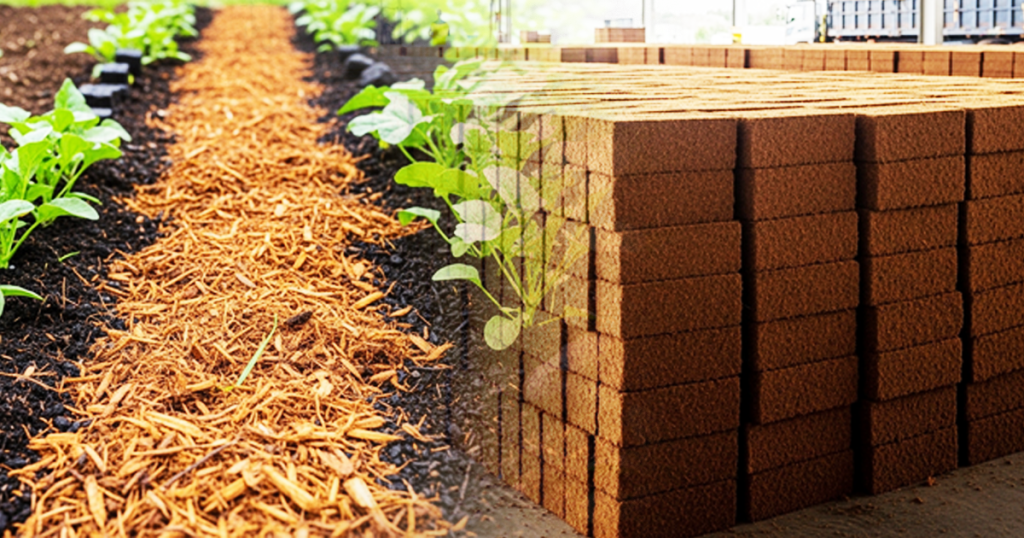
One of the most promising applications of coconut fiber is in horticulture. Cocopeat, the spongy dust left after fiber extraction, has become a sustainable alternative to peat moss. Unlike traditional peat, which takes thousands of years to form and contributes to carbon release when harvested, cocopeat is renewable and carbon-neutral.
Its high water retention capacity and air porosity make it ideal for hydroponic farming, soil conditioning, and seed germination. In countries with limited arable land or water, such as the UAE or Israel, cocopeat is already a staple in vertical farms and greenhouse systems.
Automotive and Construction
Automakers are increasingly incorporating coir-based composites into car interiors. These materials are not only lightweight but also reduce reliance on synthetic foams and plastics. In construction, coir is used for soundproof panels, insulation, and even erosion control mats.
These innovations significantly reduce the environmental footprint compared to conventional materials.
Packaging and Consumer Goods
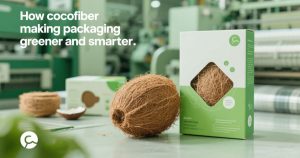
The biodegradable packaging industry is turning to coir as an answer to the global plastic crisis. Coir-based trays, containers, and wraps decompose naturally, making them suitable for eco-conscious businesses.
Some startups are even developing coir furniture and home décor items proving that green can be both functional and stylish.
Challenges and Opportunities
Despite its advantages, the coir industry faces several bottlenecks. Processing coconut fiber requires water-intensive methods and efficient retting techniques, which can pose environmental concerns if unmanaged. Moreover, standardizing quality across suppliers remains a challenge in regions with informal processing systems.
However, technology is closing these gaps. Mechanized decortication units, low-water retting systems, and blockchain traceability tools are improving quality control and sustainability metrics. Investment in these areas can unlock new markets and higher economic value for coconut-producing nations.
The Economic and Environmental Edge
According to recent data, the global coir market is expected to reach USD 830 million by 2030, driven by demand from Europe, North America, and Southeast Asia. For countries like India, Indonesia, the Philippines, and Sri Lanka, this is more than just an export opportunity it’s a chance to lead in green innovation.
Beyond profits, the environmental benefits are significant. Replacing synthetic materials with coconut fiber reduces landfill waste, lowers carbon emissions, and supports biodiversity. As climate change accelerates, materials like coir provide a tangible solution aligned with global sustainability goals.
A Golden Future for Green Fiber
What was once agricultural residue is now a symbol of circular innovation. Coconut fiber affectionately dubbed “Green Gold” is proving that sustainable materials don’t need to compromise on performance or profit. As a researcher, I see immense potential in continuing to explore its applications, refine its production, and advocate for its adoption in policy and industry.
In a world searching for answers to plastic pollution, deforestation, and climate change, the humble coconut may just be one of nature’s most powerful allies.