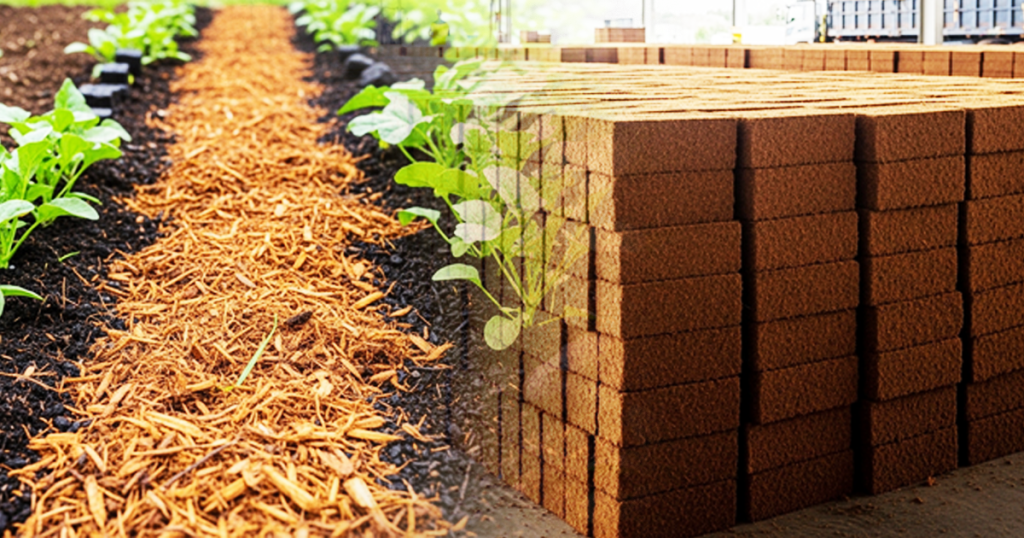
Why Cocopeat Powder Is Gaining Ground in the Green Movement
As a researcher working in the field of bio-based materials, I have observed how cocopeat powder has steadily emerged as a viable green solution. Derived from coconut husk residues, this fine, soil-like material is now becoming a staple in eco-conscious agriculture, urban gardening, and environmental restoration.
The shift toward sustainability has intensified, with industries actively seeking materials that align with low-carbon goals. Cocopeat powder, often overlooked a decade ago, now holds a spotlight for its environmental benefits.
It is 100% natural, biodegradable, and produced without chemical inputs. Its utility as a soil amendment and growth medium has led many environmentalists to dub it “brown gold” for the green revolution.
What sets cocopeat apart is not just its eco-friendly composition, but its ability to regenerate ecosystems. It supports water conservation, improves soil structure, and minimizes nutrient runoff factors that directly combat land degradation and desertification.
Agricultural Benefits Rooted in Scientific Performance
From a scientific standpoint, cocopeat’s physical and chemical properties give it several advantages. Its water-holding capacity reaches up to 8 times its dry weight. This makes it ideal for drought-prone regions or areas facing irrigation challenges.
Moreover, cocopeat powder is rich in lignin and cellulose compounds that support microbial activity in the soil. These microbes play a vital role in nutrient cycling and plant immunity.
By enhancing root aeration and preventing soil compaction, cocopeat provides crops with the optimal environment to thrive without relying heavily on synthetic fertilizers.
Studies have also confirmed that blending cocopeat with compost enhances nutrient availability while stabilizing soil pH. For organic farming, this combination proves especially effective in maintaining long-term soil health and boosting crop resilience.
A Sustainable Option for Urban and Industrial Applications
The growing interest in urban agriculture has also fueled demand for cocopeat powder. Rooftop gardens, hydroponic setups, and vertical farms benefit from cocopeat’s lightweight structure and cleanliness.
Unlike traditional soil, it doesn’t attract pests or cause clogging in hydro systems. Its neutral pH allows for easy customization with various nutrient regimes, making it a flexible medium for multiple crops.
Industries outside agriculture are also exploring its potential. Research is ongoing into using cocopeat in biodegradable packaging, acoustic panels, and erosion control mats.
Each application extends cocopeat’s value chain and reinforces its reputation as a renewable, multi-functional material.
Challenges and the Way Forward
Despite its benefits, cocopeat powder does face certain challenges. Inconsistent quality, high transportation costs, and lack of standardization are common issues, particularly in developing countries.
As a researcher, I believe the next step lies in setting global processing and quality standards. Moreover, local governments should incentivize processing units near coconut farms to reduce the environmental burden of long-distance transport.
Technology transfer and knowledge-sharing among producers, researchers, and policymakers can close these gaps. With improved processing protocols such as salt-leaching and micronization cocopeat can achieve better performance and broader application.
By aligning these efforts with carbon credit programs and sustainability certifications, we can ensure that cocopeat powder’s adoption is both ethical and scalable.
A Green Material for a Greener Future
Going green is more than a slogan it’s a systemic shift. Cocopeat powder, born from agricultural waste, represents the kind of innovation we need to solve multiple environmental challenges at once. It helps reduce waste, supports sustainable agriculture, and opens new possibilities for green industries.
While the road to mainstream adoption may still require infrastructure and education, the scientific and environmental case for cocopeat powder is undeniable. As a researcher, I see it not just as an alternative, but as a necessity for a more sustainable, resilient future.