Reimagining Coconut Husk as a High-Value Resource
As a researcher specializing in bio-based materials, I’ve witnessed firsthand the transformative power of circular economy thinking. In traditional coconut processing, husks rich in coir pith are often discarded or burnt, contributing to waste and greenhouse gas emissions.
Cocopeat powder flips this narrative by converting what was once agricultural trash into a versatile, high-demand product. This shift epitomizes the circular economy’s core principle: keep resources in use for as long as possible, extract maximum value, then recover and regenerate materials at end of life.
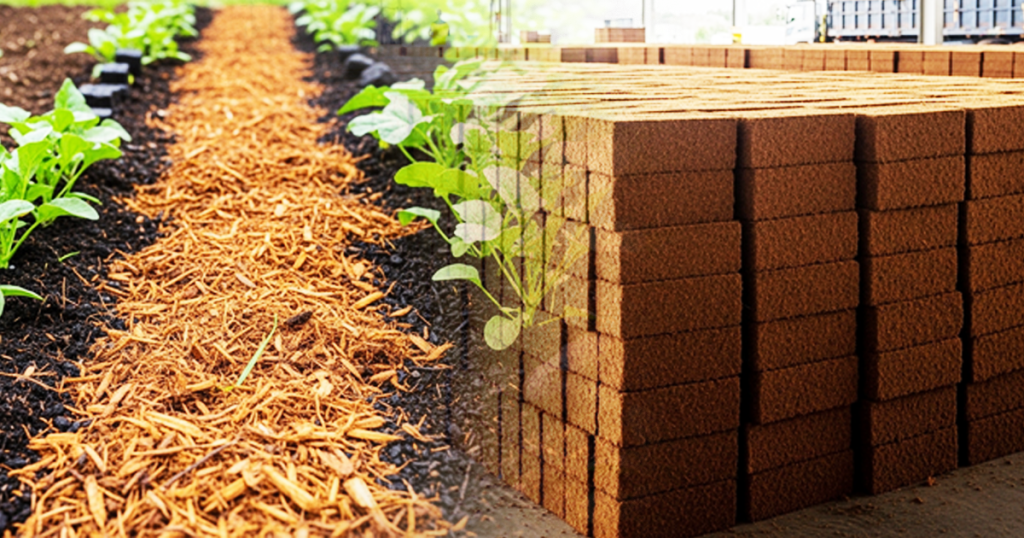
By integrating cocopeat powder into diverse industrial and agricultural processes, stakeholders create closed loop systems that reduce raw material extraction and waste. Through drying, milling, and sieving, each coconut husk yields an eco-friendly substrate prized for its water retention, porosity, and biodegradability.
As researchers, we analyze the full life cycle from husk collection at farms to final application in greenhouses to ensure the process upholds circularity without unintended environmental trade offs.
Cocopeat in Action: Circular Solutions Across Sectors
Cocopeat powder’s hallmark is its adaptability. In agriculture, it replaces peat moss and synthetic media, returning organic matter to soils through eventual decomposition.
Urban farming initiatives harness its lightweight structure for rooftop and vertical gardens, where empty growth trays are composted back into soil enhancers. This loop not only closes the nutrient cycle but also minimizes landfill input.
Beyond horticulture, cocopeat finds roles in:
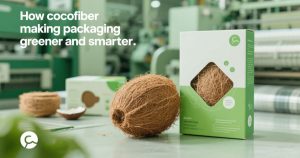
- Biodegradable Packaging: Mixed with natural binders, cocopeat forms cushioning inserts that decompose with packaging waste.
- Erosion Control Mats: Woven into geotextiles, cocopeat mats stabilize slopes, then biodegrade to nourish local soils.
- Greywater Filtration: Packed into biofilters, cocopeat traps suspended solids and absorbs nutrients, which are later returned to landscaping as compost.
These applications demonstrate how a single biomass residue can serve multiple functions, maintaining resource value and reducing reliance on virgin materials.
Empowering Communities and Strengthening Value Chains
Turning coconut husk into cocopeat powder generates economic opportunities along the value chain. In major coconut-producing regions Indonesia, Philippines, India processing units employ local workers, often in rural areas with limited industrial activity.
Small mills collect husks from farmers, process them on-site, and sell cocopeat to nearby agri-entrepreneurs, reducing transport emissions and supporting local livelihoods. My research highlights the rise of cooperatives where farmers own processing equipment, ensuring that value addition remains within the community.
These models foster equitable growth, channeling profits back into farm improvements and education programs. The result is a resilient, localized economy where waste becomes wonder and where communities are active stewards of circularity.
Overcoming Barriers to Full Circularity
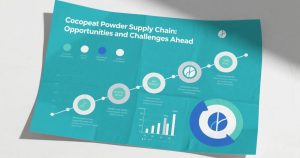
Despite its promise, cocopeat’s circular potential faces hurdles. Variable quality particularly salt content and particle consistency can limit applications. Standardizing washing and grading protocols is essential to ensure material reliability across sectors.
Additionally, scaling production without compromising environmental gains requires careful siting of processing facilities to minimize transport distances and energy use.
From a policy perspective, incentivizing circular practices through tax breaks or subsidies can accelerate adoption. Certification schemes can verify truly circular cocopeat powder tracking feedstock origin, processing methods, and end-of-life management.
Research must also continue to quantify the carbon and resource savings achieved through circular deployment, providing data-driven evidence for industry and regulators.
Closing the Loop with Cocopeat Powder
Cocopeat powder exemplifies how circular economy principles can transform waste into wonder. By valorizing coconut husk residue, we not only reduce environmental impact but also unlock socioeconomic benefits for farming communities.
Cross-sector collaboration linking researchers, processors, policymakers, and end-users is vital to scale this model responsibly.
As a researcher, I am optimistic that continued innovation in processing standards, application development, and policy frameworks will cement cocopeat powder as a benchmark circular material.
In doing so, we move closer to a world where waste is not an endpoint but a beginning of new, sustainable cycles.