The Rise of Coconut Fiber in Green Technology
In the heart of tropical regions, coconuts have long been a staple in local diets and economies. Yet, beyond their edible flesh and nourishing water lies an overlooked byproduct coconut husk. Once discarded as agricultural waste, this fibrous material, known as coir, is now redefining sustainability and innovation across industries.
As a researcher focusing on cocopeat a byproduct of coir fiber extraction I have witnessed firsthand how this humble material is transforming into an environmental game-changer.
Understanding the Science of Cocopeat
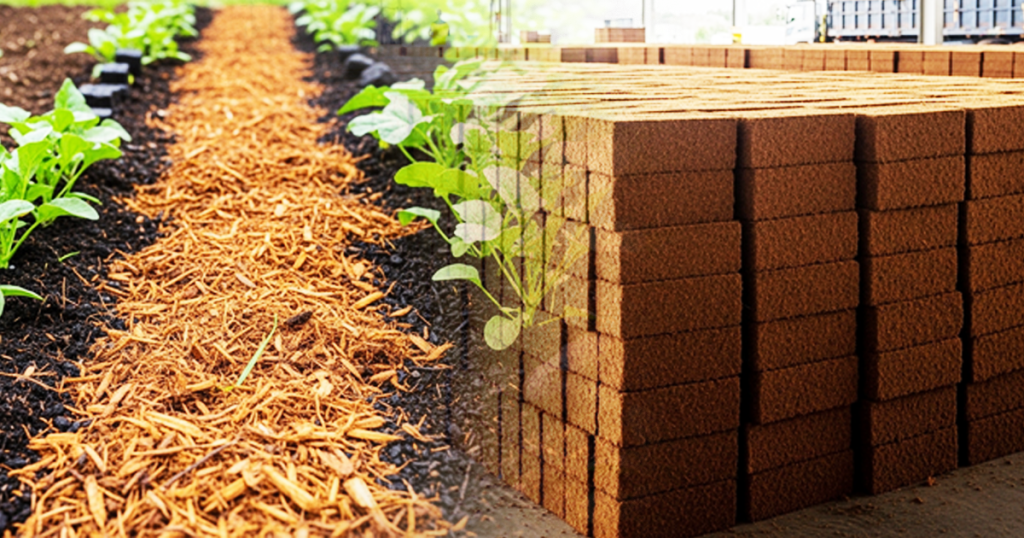
Cocopeat, also known as coir pith or coir dust, is the spongy, peat-like substance remaining after coir fiber is extracted from coconut husks. With its high water retention, aeration, and anti-fungal properties, cocopeat has emerged as a superior medium in soilless agriculture and horticulture.
From a scientific standpoint, cocopeat’s lignocellulosic composition makes it resilient and biodegradable. Its capacity to retain up to eight times its weight in water while allowing excellent drainage makes it ideal for hydroponics, nursery operations, and urban farming.
These properties position cocopeat as a strong candidate to replace peat moss, the mining of which has significant ecological drawbacks.
A Sustainable Alternative to Peat Moss
Peat moss, traditionally used in agriculture, is harvested from peat bogs ecosystems that store large amounts of carbon. Disturbing these bogs contributes to greenhouse gas emissions and biodiversity loss. Cocopeat, in contrast, is derived from a renewable resource and requires minimal processing. Utilizing cocopeat not only diverts waste from landfills but also reduces reliance on ecologically damaging substrates.
Furthermore, the production of cocopeat promotes a circular economy. Coconut-producing countries like Indonesia, India, and the Philippines can capitalize on this byproduct, creating job opportunities and reducing environmental burdens from coconut waste accumulation.
Industrial Applications Beyond Agriculture
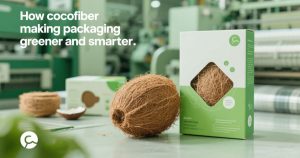
While its prominence in agriculture is widely recognized, cocopeat and coir fiber are making waves in other sectors. In construction, coir-based composite panels are being developed for eco-friendly building materials. In automotive manufacturing, coconut fiber mats are used for insulation and interior components due to their lightweight and acoustic insulation properties.
Recent research, including work from our lab, has demonstrated how coir fibers can reinforce biodegradable plastics, offering a potential solution to the plastic pollution crisis. By blending coir fibers with polymers such as PLA (polylactic acid), researchers are engineering materials that balance strength, durability, and biodegradability.
Challenges and Future Outlook
Despite its promise, the widespread adoption of coconut fiber-based products faces several challenges. Standardization in processing, quality control, and transportation logistics remain barriers. Moreover, awareness and education among consumers and industries about the benefits of coir-based products must be amplified.
As researchers, we are currently investigating bio-treatment techniques to enhance the structural and mechanical properties of coir fibers, making them more competitive with synthetic alternatives. There’s also a growing interest in developing microbial formulations to enrich cocopeat for use in organic farming.
A New Chapter for Coconut Waste
The story of coconut fiber is emblematic of a broader shift toward waste valorization in a world grappling with climate change and resource depletion. What was once discarded as useless is now seen as a cornerstone of eco-innovation.
Through science, industry collaboration, and sustainable development policies, coconut husks are being reimagined as a green solution with far-reaching potential.
As we continue to unlock the full capabilities of cocopeat and coir fiber, it becomes increasingly clear: the future of sustainable materials might just lie in the husk of a coconut.