The Humble Beginning of Coco Fiber
Once discarded as agricultural waste, the coconut husk is now the center of global attention, thanks to the rising demand for coco fiber also known as coir fiber. Derived from the mesocarp of the coconut fruit, this fibrous material is undergoing a significant transformation in value and utility.
s a researcher deeply involved in the study of cocopeat and related coir products, I have witnessed firsthand how innovation, sustainability, and global market shifts are converging to elevate coco fiber from a byproduct to a highly sought-after raw material.
From Byproduct to Commodity
Traditionally, coconut-producing countries like India, Indonesia, Sri Lanka, the Philippines, and Vietnam relegated coconut husks to the sidelines. However, as global sustainability goals drive industries toward eco-friendly materials, coco fiber is emerging as a versatile solution across several sectors.
The fiber is naturally biodegradable, resilient, and exhibits excellent water-retention properties making it a suitable alternative to synthetic materials in horticulture, construction, automotive, and geotextiles.
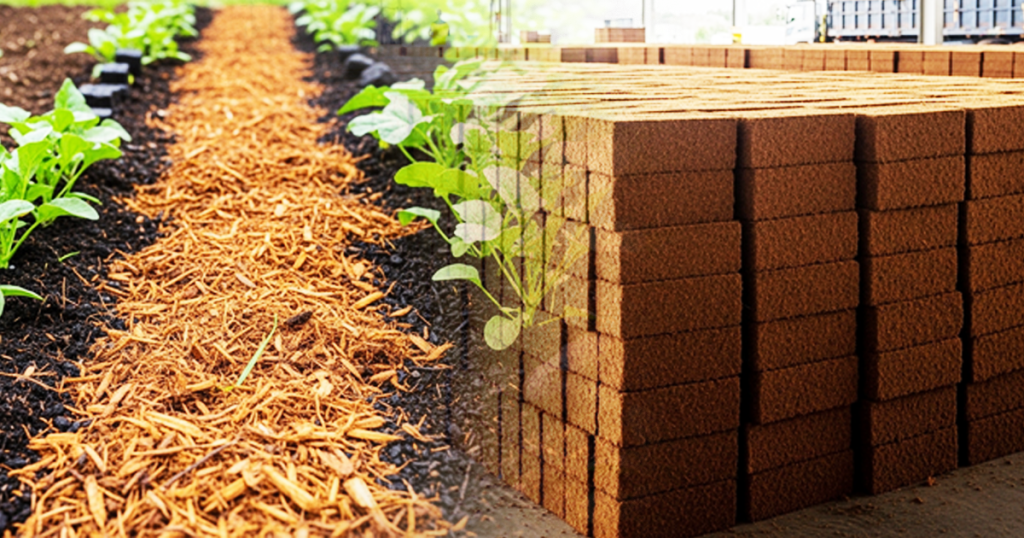
In agriculture, coco fiber and its byproduct, cocopeat, have become the go-to substrates for hydroponic farming and greenhouse cultivation. In construction, coir mats and ropes are used for erosion control and road stabilization.
Even in the automotive industry, car seats and interior panels now increasingly incorporate coir fiber as a sustainable alternative to plastic-based fibers.
Drivers of Global Demand
Several macroeconomic and environmental factors are contributing to the rising demand for coco fiber:
Sustainability Trends
As climate change and plastic pollution escalate, industries are under pressure to switch to sustainable raw materials. Coco fiber’s low carbon footprint and renewability make it an attractive choice.
Circular Economy Initiatives
Countries are promoting circular economy models that transform agricultural waste into value-added products. Coco fiber fits seamlessly into this model, aligning with both local development and global sustainability goals.
Innovation in Processing Technologies
Technological advancements in fiber extraction and treatment have improved the quality, durability, and functionality of coco fiber. This has broadened its application scope and commercial viability.
Supportive Government Policies
In regions like South Asia and Southeast Asia, government initiatives are encouraging the establishment of coir fiber processing units through subsidies and export incentives.
Market Outlook and Future Trends
According to market research, the global coco fiber market is projected to grow at a compound annual growth rate (CAGR) of over 5% between 2023 and 2028. The horticulture segment is expected to dominate, driven by increasing demand for soil-less growing mediums in urban and vertical farming systems.
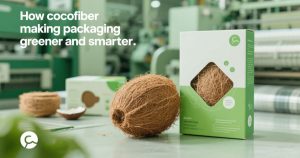
Emerging applications are also pushing the boundaries of what coco fiber can do. Innovations in bio-composites and eco-packaging are enabling manufacturers to replace synthetic polymers with coir-based alternatives.
Furthermore, luxury markets are taking note premium mattresses, designer mats, and artisanal crafts made from coir are fetching higher prices in global markets.
Challenges and Research Opportunities
Despite its growing popularity, coco fiber faces challenges. Standardization across countries is lacking, and manual processing still dominates in many regions, reducing output consistency. There’s also a gap in research related to enhancing fiber performance through chemical or enzymatic treatments.
As a researcher, I see a vast potential in studying microbial treatments to improve fiber softness, durability, and water retention. Collaboration between academic institutions, industry players, and local farming communities is essential to elevate the entire value chain.