The Rise of Cocopeat: A Sustainable Byproduct with Massive Potential
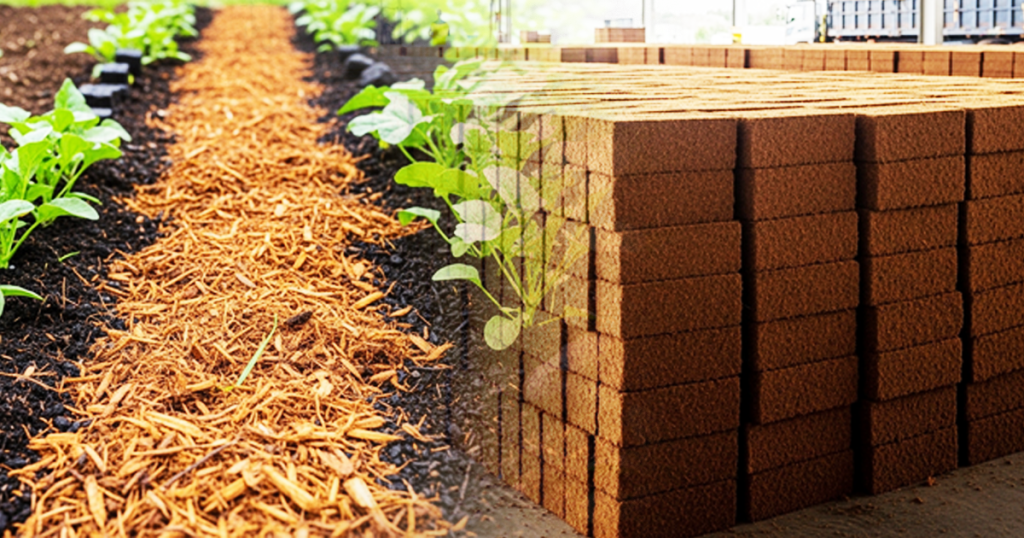
As a researcher focused on sustainable agricultural media, I have observed a significant transformation in Indonesia’s agricultural export landscape driven by an unexpected player: cocopeat blocks. Derived from the coir or husk of coconuts, cocopeat also known as coir pith was once discarded as agricultural waste. Today, it stands at the forefront of eco-friendly exports, especially in the form of compressed blocks that appeal to global horticulture markets.
Indonesia, the world’s second-largest coconut producer, generates millions of tons of coconut husk annually. Traditionally overlooked, this fibrous residue is now seeing a repurposing revolution. Countries across Europe, Asia, and the Middle East are increasingly importing cocopeat blocks due to their superior water retention, aeration, and biodegradability qualities that suit modern organic farming and urban gardening practices.
Global Demand Surges as Sustainability Becomes a Priority
The surge in demand for cocopeat isn’t accidental. It mirrors the global shift toward sustainable agriculture. With peat moss extraction causing significant environmental degradation in Europe and Canada, cocopeat presents a renewable and less destructive alternative. Export data from Indonesia’s Ministry of Trade shows a year-over-year increase of over 25% in cocopeat block shipments since 2022.
Countries like South Korea, Japan, the Netherlands, and Australia are among the top importers, using cocopeat for seed germination, hydroponics, mushroom cultivation, and greenhouse farming. This boom is also supported by international regulations pushing for peat moss alternatives, particularly in the EU’s “Fit for 55” climate package, which bans unsustainable soil substrates.
How Indonesia is Capitalizing on Cocopeat’s Export Potential
In regions such as North Sumatra, South Sulawesi, and Central Java, local entrepreneurs and cooperatives are converting waste coconut husks into valuable cocopeat blocks. The process involves drying, sieving, compressing, and packaging the material for international standards. This simple yet efficient process requires minimal energy and supports small-to-medium enterprises (SMEs), thereby driving rural development.
Several export-oriented factories now operate at full capacity, producing up to 40 tons of cocopeat blocks monthly. These businesses often collaborate with research institutions to improve the product’s quality ensuring low salt content (EC level), high expansion ratio, and standardized packaging. Such partnerships between scientists and producers are critical in enhancing Indonesia’s competitive edge in the global market.
Environmental and Economic Impact on Local Communities
Beyond its global appeal, the cocopeat industry is reshaping Indonesia’s rural economy. Farmers who once discarded coconut waste now see it as a valuable commodity. According to field interviews in East Java, a single ton of dried cocopeat can fetch up to $120 on the export market transforming community income levels and creating jobs in the processing sector.
Environmentally, this shift has helped reduce waste accumulation and promoted circular economy practices. Cocopeat processing is largely carbon-neutral, requiring no chemical inputs and generating minimal runoff. As a researcher, I see this as a prime example of how green commodities can align ecological goals with economic empowerment.
Challenges and the Road Ahead
However, challenges remain. Consistency in product quality, lack of certification infrastructure, and logistics hurdles can hamper export growth. Not all regions have access to efficient port facilities or international-standard packaging systems. Moreover, some markets require strict phytosanitary certifications that small producers struggle to obtain.
To address this, collaboration between government agencies, academic institutions, and private exporters is crucial. Training on best practices, investment in laboratory testing, and digital platforms for traceability will be key in maintaining momentum and trust in Indonesia’s cocopeat exports.
Cocopeat as a Catalyst for Green Innovation
Indonesia’s emergence as a major exporter of cocopeat blocks exemplifies how low-value agricultural byproducts can be transformed into high-demand commodities through innovation, research, and global market alignment. As sustainability becomes more than a buzzword, cocopeat blocks may soon represent not just an agricultural material but a symbol of Indonesia’s green economic future.