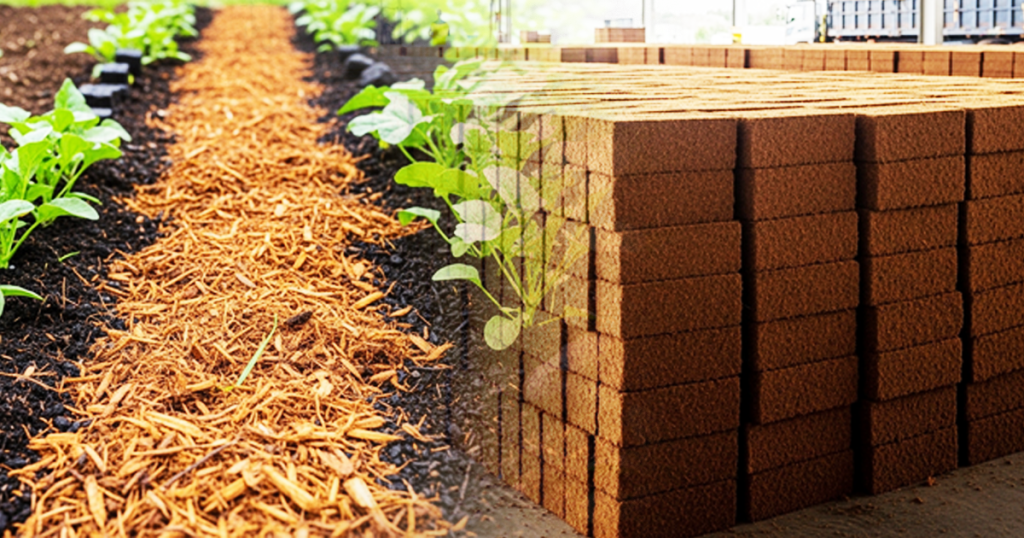
Understanding the Mediums
As sustainable agriculture continues to gain momentum, the use of alternative growing mediums is now more prominent than ever. One such alternative, cocopeat powder, derived from coconut husk fiber, is increasingly being compared to traditional soil for its performance in plant growth, water retention, and environmental impact.
In this comparative study, we delve into the fundamental differences, advantages, and limitations of cocopeat powder and traditional soil through the lens of a research-based investigation.
What is Cocopeat Powder?
Cocopeat, also known as coir pith or coir dust, is a byproduct of coconut processing. When ground into a fine powder, cocopeat becomes an excellent medium for hydroponics, seed germination, and container gardening. Its high water retention, aeration properties, and slow decomposition rate make it a popular choice for environmentally-conscious growers.
What Constitutes Traditional Soil?
Traditional soil is a naturally occurring mixture of minerals, organic matter, gases, liquids, and organisms. It varies based on geographic location and is often classified into clay, loam, sandy, and silt-based soils. Soil has been the backbone of agriculture for millennia, providing nutrients and microbial ecosystems necessary for plant life.
Comparative Parameters
1. Water Retention and Aeration
Cocopeat powder significantly outperforms traditional soil in water retention. It can retain up to 8 times its weight in water, making it ideal for arid climates or drought-prone areas. Additionally, its structure promotes excellent aeration, preventing root suffocation a common issue in compacted soil.
In contrast, traditional soil has variable water retention capacities depending on its type. Clay soils hold water well but may lead to poor aeration, while sandy soils drain too quickly. Loam offers a balanced profile but is still less consistent compared to the engineered properties of cocopeat.
2. Nutrient Availability and Supplementation
One notable drawback of cocopeat is its lack of inherent nutrients. It serves more as a substrate than a nutrient source. Therefore, growers must supplement it with fertilizers or organic compost to support plant nutrition.
Traditional soil, especially organically rich loam, naturally contains macro and micronutrients essential for plant growth. Moreover, the microbial life within soil plays a crucial role in nutrient cycling, something cocopeat lacks unless artificially inoculated.
3. pH Levels and Salinity
Cocopeat generally maintains a neutral to slightly acidic pH (5.5–6.5), suitable for most horticultural crops. However, improper washing during processing can result in high sodium and potassium levels, requiring treatment before use.
Soil pH varies widely but can be adjusted more easily with lime or sulfur applications. While salinity can be an issue in irrigated agricultural lands, proper management and testing can mitigate adverse effects.
4. Sustainability and Environmental Impact
From an ecological standpoint, cocopeat is a renewable and biodegradable resource. It is a waste product that would otherwise contribute to environmental pollution if discarded. Using it supports circular economy practices and reduces deforestation pressures associated with traditional topsoil harvesting.
Traditional soil, on the other hand, can suffer from degradation through erosion, overuse, and contamination. It takes hundreds of years to form just a few centimeters of fertile topsoil, making its conservation critical.
Use Cases and Applicability
Cocopeat powder excels in urban gardening, hydroponics, and container cultivation, where precision and control over the growing environment are required. Its lightweight nature also reduces transport costs.
Traditional soil remains unmatched for open-field farming, long-term crop rotations, and large-scale cultivation where cost and resource availability favor its use.