The Rise of Coco Peat in Agriculture
As a researcher specializing in coco peat, I have closely observed the growing interest in sustainable agricultural practices worldwide. Among various innovations, coco peat bricks have emerged as a promising solution for improving soil health and promoting eco-friendly farming.
Derived from coconut husks, coco peat offers a renewable and biodegradable alternative to traditional growing mediums. This article explores why coco peat bricks are transforming agriculture globally and how they contribute to sustainable farming systems.
What Are Coco Peat Bricks?
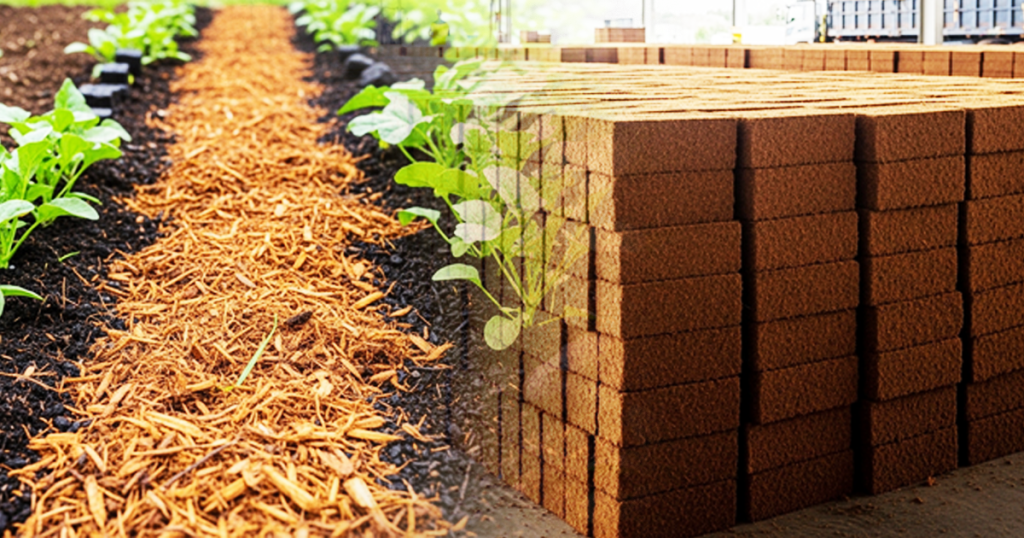
Coco peat, also known as coir pith or coconut coir, is the spongy material extracted from coconut husks. When compressed into bricks, coco peat becomes a lightweight, compact, and easy-to-handle product known as coco peat bricks.
These bricks expand significantly when soaked in water, creating a fibrous growing medium ideal for plant cultivation. Their unique properties include high water retention, excellent aeration, and natural resistance to pests and diseases.
The use of coco peat bricks is rapidly gaining traction because they provide an eco-friendly alternative to peat moss, which is harvested from non-renewable peat bogs. Unlike peat moss, which takes centuries to form, coco peat is a sustainable byproduct of the coconut industry and can be produced annually, making it an environmentally responsible choice.
Benefits of Coco Peat Bricks for Sustainable Agriculture
Enhancing Soil Health and Water Efficiency
One of the key benefits of coco peat bricks is their exceptional water retention capacity. As a growing medium, coco peat can hold up to eight times its weight in water, significantly reducing the need for frequent irrigation. This attribute is crucial for areas facing water scarcity and erratic rainfall patterns caused by climate change.
Moreover, coco peat improves soil aeration and prevents soil compaction, fostering healthy root development. Its porous structure allows roots to breathe, encouraging nutrient uptake and enhancing plant growth. By integrating coco peat bricks into farming systems, farmers can reduce reliance on chemical fertilizers and minimize soil degradation.
Supporting Organic and Hydroponic Farming
Coco peat bricks are highly favored in organic agriculture due to their natural origin and absence of harmful chemicals. They serve as a sterile, pH-neutral growing medium, ideal for cultivating organic crops without contamination risks. Additionally, coco peat’s inert properties make it a perfect substrate for hydroponic systems, where soil is replaced by nutrient-rich water solutions.
Hydroponic farmers benefit from coco peat bricks as they provide stable support for plant roots while maintaining moisture balance. The renewable nature of coco peat also aligns with the sustainability goals of modern hydroponic farming, contributing to reduced environmental footprints.
Challenges and Future Prospects
Despite its many advantages, coco peat bricks face challenges related to quality standardization and market awareness. Variations in processing methods can affect the consistency of coco peat products, influencing their performance in agricultural applications. To address this, research and development efforts are focusing on establishing quality benchmarks and improving production techniques.
Furthermore, expanding the adoption of coco peat bricks requires educating farmers about their benefits and proper usage. Government policies and agricultural extension programs can play a pivotal role in promoting sustainable practices that incorporate coco peat.
Looking ahead, innovations such as blending coco peat with other organic amendments and developing biodegradable packaging are expected to enhance the environmental benefits and commercial appeal of coco peat bricks.
Toward a Greener Agricultural Future
Coco peat bricks represent a significant advancement in sustainable agriculture, offering an eco-friendly, efficient, and versatile growing medium. As a researcher, I see great potential in their ability to support soil health, conserve water, and reduce environmental impact.
Embracing coco peat bricks globally can help transform farming systems into more resilient and sustainable operations, ultimately contributing to food security and environmental preservation.