The Rise of Sustainable Growing Solutions
In recent years, the global agriculture sector has undergone a quiet revolution. As the pressure to adopt eco-friendly practices intensifies, growers are seeking sustainable alternatives to traditional soil and peat moss. One such alternative that has gained considerable traction is coco peat bricks, a product derived from the husk of the humble coconut.
As a researcher in coco peat innovation, I’ve closely followed its journey from agricultural by-product to a celebrated horticultural medium. The appeal lies not just in its renewability, but also in its impressive performance across various plant cultivation systems particularly in urban and controlled-environment agriculture.
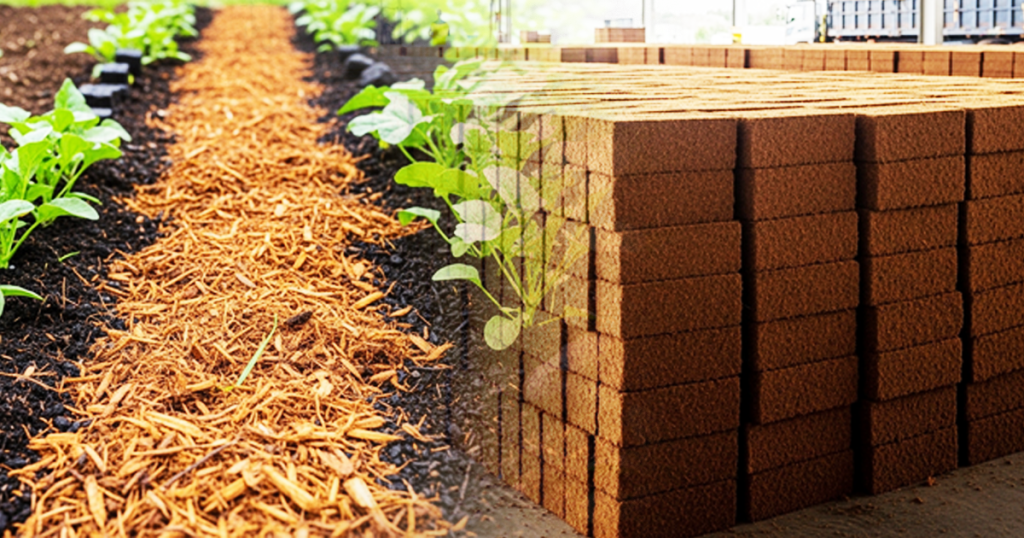
Coco peat, also known as coir pith, is the fibrous material leftover after coconut husks are processed for fibers. Compressed into brick form, it becomes lightweight, easy to store, and highly transportable making it a favorite among commercial growers and home gardeners alike.
Why Coco Peat Bricks Are a Game Changer
One of the most striking features of coco peat bricks is their high water retention capacity. Unlike conventional peat moss, which often leads to over-saturation or drainage issues, coco peat offers balanced aeration and moisture levels.
When hydrated, these bricks expand up to five times their original size, creating a loose, well-aerated growing medium. This physical characteristic is particularly advantageous in hydroponic and soilless cultivation systems, where nutrient control is paramount.
Moreover, coco peat is pH-neutral to slightly acidic (ranging from 5.5 to 6.8), an optimal range for most vegetable and flowering plants.
Another key benefit is its anti-fungal properties. Naturally resistant to fungal growth, coco peat reduces the risk of root diseases that often plague traditional soil media. This translates to healthier root systems and improved plant resilience without the need for chemical interventions.
Environmental Advantages Over Peat Moss
From an environmental standpoint, coco peat bricks are significantly more sustainable than peat moss, which is harvested from slow-regenerating peat bogs. Peat extraction is associated with high carbon emissions and habitat destruction, making it a less favorable option in the context of climate change.
In contrast, coco peat is a renewable resource, repurposed from coconut husk waste that would otherwise be discarded or burned. This upcycling of agro waste not only reduces landfill burden but also aligns with circular economy principles an increasingly vital aspect of modern agriculture.
Moreover, coconut palms grow abundantly in tropical regions, with each tree yielding hundreds of coconuts annually. The scalability of coco peat production ensures a consistent and eco-friendly supply chain, particularly in countries like India, Indonesia, and Sri Lanka, where coconut agriculture is a cornerstone of rural livelihoods.
Real World Applications and Challenges
While coco peat bricks present numerous benefits, there are challenges that researchers and producers are actively addressing. One such issue is salt content, which can vary depending on the source and processing method.
Improperly washed coco peat may contain high levels of sodium and potassium, which could inhibit plant growth. To mitigate this, high-quality coco peat bricks undergo extensive buffering and washing, ensuring salt levels fall within acceptable agricultural standards.
Advanced processing techniques have also made it possible to customize coco peat blends for specific crops, such as tomatoes, strawberries, or ornamental plants. Field studies have demonstrated positive outcomes using buffered coco peat in greenhouse systems.
Showing increased yield, improved water use efficiency, and reduced reliance on chemical fertilizers. These promising results are driving increased investment in coir-based media technologies across Asia, Europe, and the Americas.
The Future of Growing Media Innovation
As we confront global food security challenges and the demand for sustainable agriculture intensifies, innovations like coco peat bricks are no longer niche solutions they are essential tools in the green transition.
For researchers like myself, the journey is far from over. We continue to explore ways to enhance the physical, chemical, and biological properties of coco peat through microbial enrichment, nutrient pre-loading, and biopolymer integration. These innovations could elevate coco peat from a passive substrate to an active growth enhancer.
Ultimately, coco peat bricks symbolize a cleaner, greener path forward for horticulture an example of how natural materials, when responsibly processed and intelligently applied, can reshape the future of farming.