The Sustainable Powerhouse Transforming Green Industries
In the race to combat climate change and reduce industrial dependence on non-renewable resources, a surprising hero has emerged from tropical farms: coco fiber, also known as coir.
Derived from the husk of coconuts, this biodegradable, renewable material is rapidly becoming a preferred component in a variety of green industries, including agriculture, construction, packaging, and automotive manufacturing.
As a researcher who has spent years studying the applications of coconut-based substrates like cocopeat and coco fiber, I have witnessed firsthand how this humble material is creating waves far beyond its traditional uses.
The Science Behind Coco Fiber
Coco fiber is extracted from the mesocarp of the coconut, which lies between the hard inner shell and the outer coat. It is rich in lignin and cellulose, providing a rare combination of durability and elasticity. These fibers, once discarded as agricultural waste, are now processed into mats, ropes, insulation boards, planting media, and even composite materials.
What makes coco fiber unique is its resilience against salt water, natural resistance to bacterial and fungal growth, and low decomposition rate. These properties have made it indispensable in eco-friendly applications where synthetic materials either fall short or cause environmental harm.
Green Applications Across Sectors
Agriculture and Horticulture
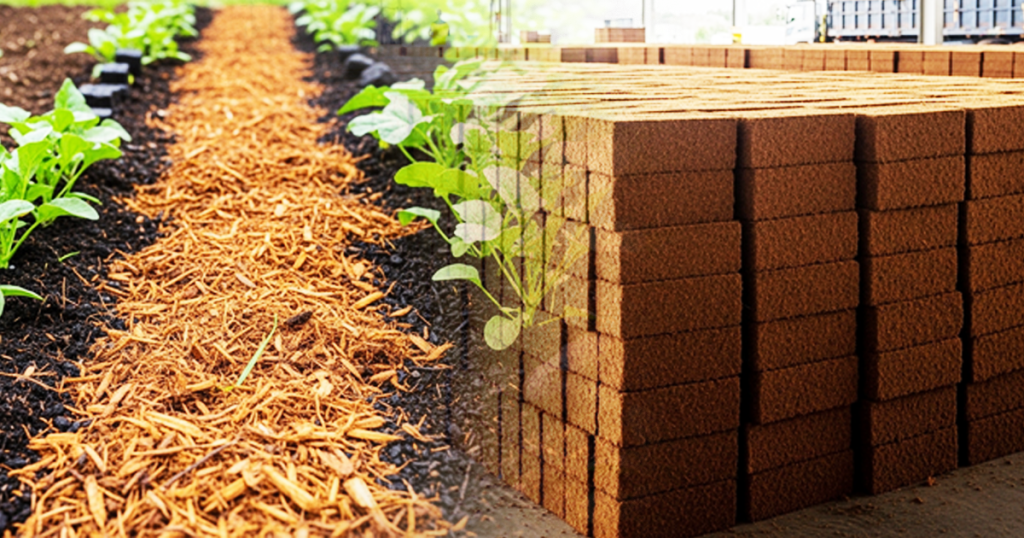
Coco fiber has found its place in agriculture, particularly in hydroponics and organic farming. The use of coir-based grow mats and cocopeat has surged due to their excellent water retention and aeration properties. Unlike peat moss, which is harvested from ecologically sensitive bogs, coco fiber is sustainable and renewably sourced.
Studies indicate that crops grown in coco substrates exhibit healthier root systems, faster growth rates, and improved nutrient absorption. Additionally, its reuse potential makes it an economic choice for commercial growers.
Construction and Insulation
The construction industry is undergoing a transformation as it seeks materials with a lower carbon footprint. Coco fiber, when processed into composite panels or thermal insulation boards, offers excellent insulation values. These panels are now being tested in tropical housing projects for their ability to regulate indoor temperature and resist humidity.
Not only is coco fiber lightweight and cost-effective, but it also performs exceptionally well when blended with natural resins for biocomposite applications.
Sustainable Packaging
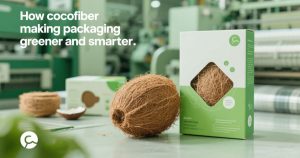
The packaging sector, burdened by plastic pollution, is turning to bio-based alternatives. Coco fiber, shaped into trays, containers, and padding, provides a sturdy, biodegradable solution.
Several startups in Southeast Asia and Europe have begun offering coir-based packaging products that degrade naturally within 60 to 90 days, presenting a viable replacement for Styrofoam and plastic.
Automotive Innovation
Car manufacturers are also experimenting with coir composites for car interiors, such as seat padding and insulation panels. German and Japanese automakers have led the way in this initiative, blending coir with natural rubber to develop materials that are both sustainable and durable.
The automotive industry’s interest in reducing its reliance on petroleum-based polymers has accelerated research in this field.
Environmental and Economic Benefits
From an ecological standpoint, coco fiber offers low environmental impact. Its production requires no chemical treatment, and its end-of-life disposal does not contribute to landfill burden. Furthermore, utilizing coconut husk waste adds value to local economies, particularly in coconut-producing countries like Indonesia, India, Sri Lanka, and the Philippines.
Employment opportunities in rural areas have also seen a boost through the establishment of small-scale fiber processing units. These facilities not only reduce agricultural waste but also empower communities through sustainable income sources.
Challenges and Future Outlook
Despite its advantages, the widespread adoption of coco fiber faces challenges. Standardization in quality, processing technology, and global supply chain logistics need to be addressed. Moreover, further research and innovation are required to make coco fiber-based products more competitive against conventional materials.
Nonetheless, the momentum is undeniable. With increasing global awareness of sustainability and climate resilience, coco fiber is poised to play a significant role in the future of green manufacturing.