Understanding the Basics
When it comes to household brushes, the bristles make a significant environmental difference. The two most common materials coco bristle and nylon are starkly different in terms of origin, biodegradability, and ecological impact.
As a researcher specializing in cocopeat and other coconut by-products, I’ve studied the lifecycle of these materials extensively. This article explores the core differences between coco bristle and nylon, providing a comprehensive comparison from a sustainability perspective.
What Is Coco Bristle?
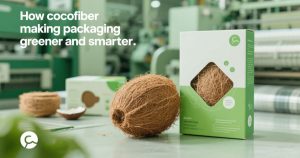
Coco bristle is a natural fiber derived from the husk of coconuts. Traditionally used in rural areas for broom-making, this stiff, durable fiber is now making its way into modern, eco-conscious households. Coco bristle is entirely plant-based, biodegradable, and compostable.
It requires minimal processing typically just soaking, drying, and brushing making it one of the lowest-impact materials available for cleaning tools.
Environmental Benefits of Coco Bristle
The carbon footprint of coco bristle is relatively small. Its production emits minimal greenhouse gases, and the process supports sustainable agricultural practices by utilizing waste products.
Additionally, because coco bristle decomposes naturally, it contributes zero microplastic pollution. Coconut palms also require little irrigation or chemical input, increasing their environmental appeal.
What Is Nylon?
Nylon is a synthetic polymer developed in the 1930s, primarily from petroleum-based chemicals. It is valued for its strength, flexibility, and moisture resistance. Nylon bristles are common in various brush types, from toothbrushes to kitchen scrubbers.
However, nylon’s environmental credentials are far less favorable compared to natural alternatives.
Environmental Drawbacks of Nylon
Nylon production is energy-intensive and releases significant greenhouse gases. The material is non-biodegradable and contributes to long-term pollution in both landfills and oceans.
One of the most pressing concerns is microplastic shedding, which occurs as nylon bristles wear down. These tiny particles accumulate in waterways, posing threats to marine life and ecosystems.
Lifecycle Analysis: Coco Bristle vs Nylon
Production
Coco bristle is extracted from coconut husk, a by-product of the coconut industry. This makes it a secondary-use material that leverages agricultural waste. Nylon, on the other hand, is synthesized from petrochemicals, contributing to fossil fuel dependence.
The manufacturing process for nylon involves high temperatures, solvents, and stabilizers many of which are harmful to the environment.
Use and Durability
While nylon bristles tend to last longer due to their resistance to wear and moisture, coco bristles are sufficiently durable for most household tasks. More importantly, when the tool reaches the end of its life, coco bristle brushes can be composted or burned without releasing toxins, unlike nylon which must be landfilled or incinerated.
Disposal and Degradation
Coco bristle breaks down within months under composting conditions, enriching the soil with organic material. Nylon, however, can persist in the environment for hundreds of years. Moreover, incinerating nylon can release harmful dioxins and other volatile compounds.
Economic and Social Dimensions
Coco bristle production often supports small-scale farmers and rural artisans, especially in tropical countries like India, Sri Lanka, and the Philippines.
Its market growth can stimulate local economies and promote sustainable livelihoods. Nylon, being part of a large-scale petrochemical industry, tends to centralize profits and offers fewer socio-economic benefits at the grassroots level.
The Sustainable Choice
From an environmental standpoint, coco bristle outperforms nylon in almost every category. It is renewable, biodegradable, low-impact, and socially beneficial. Although nylon may offer slightly longer use, its long-term environmental costs far outweigh the benefits.
As consumers become more environmentally conscious, the shift toward natural, sustainable materials like coco bristle represents not just a trend but a necessary evolution.