The Rise of Coco Bristle Toothbrushes in the Green Market
In recent years, the dental care market has witnessed a surge in eco-friendly products. Among them, coco bristle toothbrushes have emerged as a notable trend.
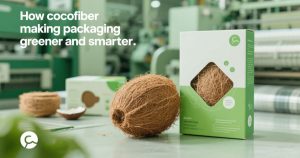
Made from coconut coir, or coco fiber, these brushes replace plastic bristles with plant-based ones derived from the husk of coconuts. Advocates claim they reduce plastic waste while offering comparable performance to nylon alternatives.
As a researcher specializing in cocopeat and its by-products, I have followed this trend closely. While coco fiber has proven utility in agriculture and packaging, its role in oral hygiene raises several technical and biomedical concerns.
The Science Behind Coco Fiber: Composition and Structure
Coco fiber is naturally coarse and rich in lignin, making it highly durable and water-resistant. Its mechanical properties make it suitable for brooms, mattresses, and erosion control. However, these same characteristics may pose a problem for teeth and gums.
A recent study published in the Journal of Dental Materials found that the abrasiveness of natural plant bristles could contribute to enamel erosion if not properly engineered. Coconut bristles, in particular, are stiffer than traditional nylon filaments and may lack the flexibility needed for safe brushing.
Oral Safety and Abrasiveness: What Do Dentists Say?
Several dental professionals have raised caution over hard-bristled brushes. Dr. Laura Mendez, a periodontist based in Toronto, explains: “Natural bristles may be eco-friendly, but unless they’re softened, they risk damaging both gums and enamel. Patients with sensitive teeth should especially avoid hard bristles.”
Furthermore, the porous nature of coco fibers may allow microbial buildup. Unlike nylon, which is engineered to be non-porous and smooth, coconut fibers can retain moisture and harbor bacteria if not dried properly. Daily exposure to oral bacteria, combined with insufficient drying time, could make these toothbrushes unsanitary over time.
Are There Any Certified Coco Bristle Options?
Currently, there is no global regulatory body that certifies natural bristle toothbrushes for medical safety. While some manufacturers claim antimicrobial treatment of their bristles, independent lab testing remains scarce. As a researcher, I find this lack of oversight concerning.
Some companies combine coco bristles with bamboo handles and package them as “zero waste” kits. These products often target environmentally conscious buyers, but consumers should scrutinize whether safety claims are supported by clinical trials or third-party reviews.
Sustainable Alternatives That Balance Safety and Ecology
While coco bristle toothbrushes show promise from an environmental standpoint, safer biodegradable options exist. Corn-based PLA bristles, for instance, offer softness comparable to nylon with added compostability. Some brands also use castor oil-based bioplastics that combine flexibility with hygiene standards.
Consumers seeking both sustainability and oral safety should consider brands that publish abrasion testing data and adhere to ISO certifications. Eco-friendly does not have to mean unsafe, and informed choices are crucial in personal care products.
The Verdict: Promising But Needs More Research
From a scientific viewpoint, coco bristle toothbrushes are an innovative response to plastic pollution. However, their application in oral health remains under-researched. The abrasive texture, risk of bacterial contamination, and lack of standardization raise valid concerns.
As a researcher, I advocate for more clinical trials and industry standards before endorsing coconut fiber as a mainstream oral care material. Until then, consumers are urged to consult with their dentist and prioritize both environmental and medical safety in their choices.