Global Demand for Coco Bristle: Leading Importers Revealed
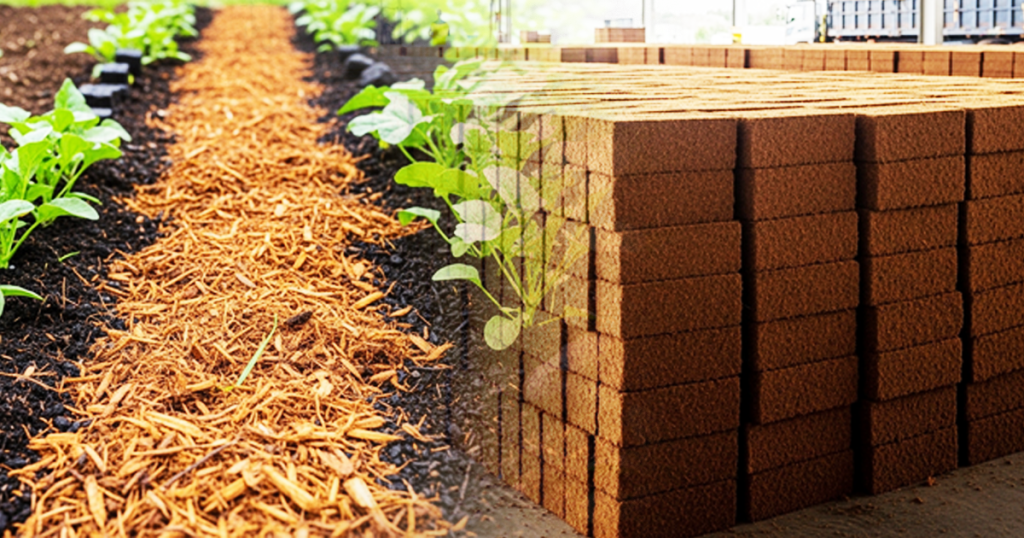
As a researcher specializing in coconut derivatives, I’ve had the opportunity to delve deeply into coco bristle a natural fiber extracted from coconut husks, known for its coarse texture and high durability.
While coco peat often receives more attention due to its horticultural applications, coco bristle has quietly become a high-demand commodity across various global markets.
Over the past decade, coco bristle has seen increasing export volumes, with more countries transitioning toward eco-friendly, biodegradable materials. This article aims to outline the leading importers of coco bristle globally, while analyzing the factors driving this upward trend.
What Makes Coco Bristle Globally Attractive?
Coco bristle, often categorized under coir fiber, is valued for its rigidity, resistance to deformation, and biodegradability. Its primary uses include manufacturing brushes, brooms, mattresses, door mats, and automotive upholstery components. In a world slowly shifting away from synthetic plastics and fibers, coco bristle offers a natural alternative that aligns with the principles of sustainability.
Another factor behind its rising global prominence is the fact that it is low-cost, abundant in tropical countries, and renewable. For countries looking to balance cost, quality, and eco-responsibility, coco bristle is a logical import.
Top Coco Bristle Importing Countries
1. Germany
Germany stands out as one of the largest importers of natural fibers in Europe, including coco bristle. This is primarily due to its high demand in the industrial cleaning sector, where natural-fiber brushes are preferred. Germany’s strict environmental regulations also encourage the use of sustainable materials in household and commercial products.
2. United States
The U.S. imports coco bristle primarily for eco-friendly home cleaning tools and biodegradable brushware. With rising consumer interest in zero-waste lifestyles, brands have increasingly sourced coco bristle to meet green product demand. Startups focusing on sustainable living often seek out coco bristle as a key component.
3. Japan
Known for its meticulous standards and sustainable initiatives, Japan uses coco bristle in traditional cleaning tools such as the “tawashi” brush. Japanese companies also prefer coco bristle for automotive detailing tools, leveraging its firmness without scratching sensitive surfaces.
4. South Korea
South Korea has quickly risen in the ranks as a significant importer, largely driven by its thriving personal care and beauty industries. Coco bristle is now being used in facial cleansing brushes and scalp exfoliators, where natural fibers are marketed as gentle yet effective.
5. United Kingdom
The U.K. market for sustainable living products continues to grow, especially post-Brexit, as the country shapes independent environmental policies. Retailers and eco-conscious consumers are pushing the demand for biodegradable brushes, utensils, and gardening tools, making coco bristle a material of choice.
The Role of Producing Countries
Countries like India, Sri Lanka, Indonesia, and the Philippines dominate the global supply of coco bristle. Among them, Sri Lanka has built a strong reputation for high-grade, export-quality coco fiber products, benefiting from decades of expertise and government-supported value chain programs.
Indonesia, with its vast coconut plantations, is gradually scaling up its bristle processing facilities to meet growing global demand while supporting local livelihoods in rural areas.
Trade Statistics and Market Trends
According to recent trade reports, global exports of coir and related products, including coco bristle, have increased by more than 15% annually over the past five years. The Asia-Pacific region leads in supply, while Europe and North America remain the dominant consumer bases.
Furthermore, the rise in ESG (Environmental, Social, and Governance) investing has encouraged major retailers to shift toward sustainable supply chains, boosting coco bristle’s appeal.