Reimagining Agricultural Byproducts in a Circular Economy
As a researcher specializing in cocopeat and natural fiber derivatives, I have witnessed firsthand how agricultural waste long regarded as valueless has begun to reshape sustainable industries. One of the most promising transformations is occurring within the shell of the humble coconut. Beyond its culinary uses, the coconut’s husk and coir waste are now powering innovations in horticulture, textiles, packaging, and even bio-composites.
In this piece, I will explore the untapped potential of coconut coir and other natural fiber waste. Our team’s recent studies show that with the right processing, these materials can serve as powerful, renewable substitutes for synthetic inputs, aligning perfectly with the growing global push toward zero-waste economies.
The Rise of Cocopeat: More Than a Growing Medium
A Silent Revolution in Agriculture
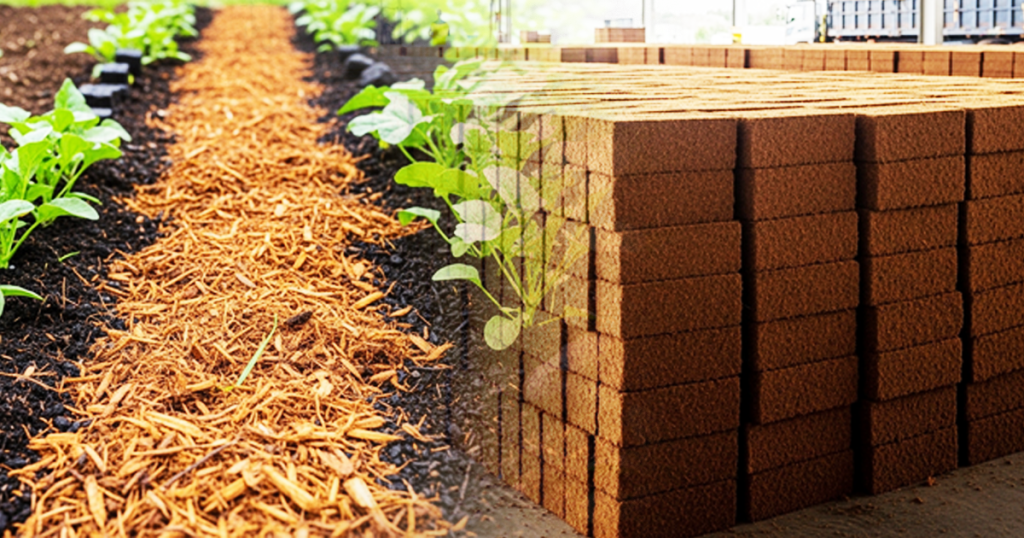
Cocopeat also known as coir pith or coir dust is a spongy byproduct extracted during the processing of coconut husks. Traditionally discarded or burned, it is now experiencing a resurgence as a preferred alternative to peat moss in horticulture.
What makes cocopeat exceptional is its structure. With high water retention, porosity, and anti-fungal properties, it fosters root development and nutrient uptake more efficiently than conventional soil. Our research reveals that plants grown in cocopeat exhibit up to 20% faster growth compared to those in traditional soil mediums. This has immense implications not only for greenhouse agriculture but also for vertical farming and soil-less cultivation systems.
Moreover, cocopeat is fully biodegradable, renewable, and abundant in coconut-producing regions. When processed and treated correctly, it can maintain its structure for years without degrading plant quality further emphasizing its sustainability credentials.
Beyond Agriculture: Industrial Applications of Natural Fiber Waste
From Coconut to Composite Materials
While the horticultural benefits of cocopeat are well established, there is a growing interest in its use and that of other coir-based materials across industrial sectors. Our lab is currently collaborating with material scientists to test coir fibers as reinforcement in biodegradable plastic alternatives.
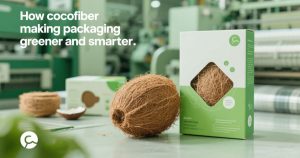
In packaging, coir’s shock-absorbing and insulating qualities are being harnessed to replace polystyrene in protective containers. Automotive manufacturers are also integrating coir fiber mats in car interiors, noting the material’s resilience, lightweight nature, and reduced carbon footprint.
Notably, construction companies are beginning to explore coir-reinforced concrete, which shows increased tensile strength and reduced cracking two critical challenges in civil engineering.
Challenges in Processing and Standardization
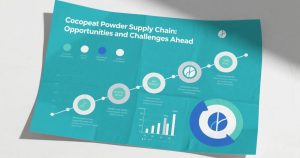
Despite its versatility, one major challenge remains: standardization. Natural fiber waste varies widely in quality based on geographic origin, maturity of the raw material, and processing technique. For cocopeat to scale globally as a commercial input, there needs to be international agreement on grading, treatment methods, and certifications.
Moreover, logistical barriers such as transport costs from rural collection centers to processing hubs hinder mass adoption. This is where government support and private sector investment can play a pivotal role. As researchers, we urge the creation of local micro-processing units, especially in coconut-rich regions, to reduce waste and boost rural economies.
Future Directions: A Bio-based Economy Rooted in Waste
The potential for natural fiber waste, especially from coconuts, stretches far beyond current applications. With further innovation, we could witness the development of coir-based insulation panels, fashion-grade textiles, or even medical-grade wound dressings.
My vision as a researcher is clear: natural fiber waste should no longer be treated as agricultural refuse. Instead, it is a raw material for the circular economy renewable, adaptable, and sustainable. By investing in bio-refinement technology and establishing clear policy frameworks, we can unlock a new era where waste no longer ends in landfills, but in laboratories and product shelves.