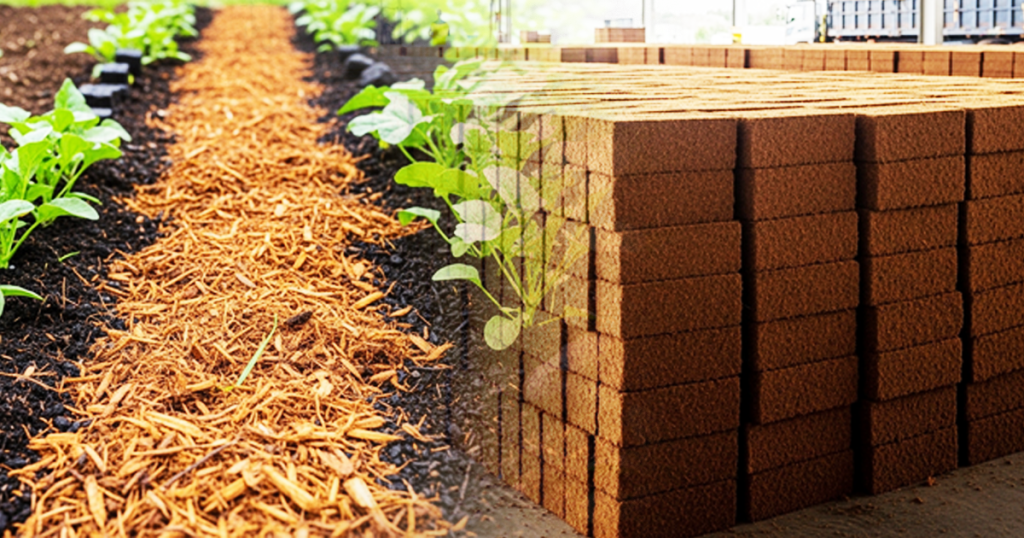
What is Cocopeat Powder?
Starting a garden can be both exciting and overwhelming, especially for first-time growers. As a cocopeat researcher, I often recommend cocopeat powder as an ideal growing medium for beginners.
Its forgiving nature, environmental sustainability, and compatibility with most plants make it an excellent choice for novice gardeners. This guide will help you get started step by step.
Cocopeat powder, also known as coir pith or coconut peat, is a natural by-product of coconut husk processing. It’s lightweight, has excellent moisture retention, and is highly porous. These features help create an ideal environment for seed germination and root development.
Key Benefits for Beginners
- Retains Moisture: Reduces watering frequency.
- Improves Soil Aeration: Promotes healthy root systems.
- pH Neutral to Slightly Acidic: Suits a wide variety of plants.
- Eco-Friendly: A sustainable alternative to peat moss.
Step by Step: Starting Your Garden with Cocopeat
Step 1: Sourcing Quality Cocopeat
Choose cocopeat that is finely ground and packaged for horticultural use. Avoid industrial-grade cocopeat unless you plan to treat and buffer it yourself.
Look for these labels:
- Pre-washed
- Low EC (under 0.8 mS/cm)
- Organic certified (optional but preferable)
Step 2: Hydrating the Cocopeat
Cocopeat is compressed for packaging, so it needs to be rehydrated before use:
- Place the block or loose cocopeat in a large tub.
- Add warm water gradually (1:5 ratio).
- Let it sit for 20–30 minutes until it expands and becomes fluffy.
- Break apart any clumps by hand.
Step 3: Optional Buffering
If the product is not pre-buffered, soak the hydrated cocopeat in a calcium nitrate solution (1 g/L) for 8–12 hours. Rinse afterward to remove excess salts. This step helps prevent nutrient imbalance, especially for sensitive plants.
Best Plant Types to Start With
Cocopeat is versatile and suits a wide range of plants. For beginners, I recommend starting with:
Leafy Greens
- Lettuce
- Spinach
- Kale
These plants germinate quickly and are easy to maintain in cocopeat-rich soil.
Herbs
- Basil
- Mint
- Coriander
Herbs thrive in containers filled with cocopeat-based mixes.
Flowers
- Marigolds
- Petunias
- Zinnias
These fast-growing blooms are forgiving and ideal for decorative gardens.
Ideal Cocopeat Mix for Beginners
While cocopeat can be used on its own for seed starting, mixing it with other components improves performance:
- Seedlings: 70% cocopeat + 30% vermiculite
- Potted Plants: 40% cocopeat + 40% compost + 20% perlite
- Raised Beds: 50% cocopeat + 25% garden soil + 25% organic manure
This ensures a balance of moisture retention, drainage, and nutrition.
Irrigation and Maintenance
Cocopeat retains water well, so be careful not to overwater. Monitor moisture using your fingers or a moisture meter. Water only when the top 1–2 cm feels dry.
Nutrient Management
Cocopeat contains no inherent nutrients, so add organic fertilizer or water-soluble nutrients regularly:
- Use compost tea or diluted seaweed extract for organic gardens.
- Use NPK-balanced fertilizer weekly for faster-growing plants.
Reusing Cocopeat
After harvest:
- Remove plant roots and debris.
- Rinse and dry the cocopeat.
- Re-buffer if necessary.
It can be reused for up to 3 years with proper maintenance.
Final Thoughts
For beginners, cocopeat powder offers a soft entry into gardening. It reduces the risk of overwatering, encourages healthy roots, and supports plant growth across various environments. With a little care and understanding, cocopeat can become the foundation of your sustainable, productive garden.